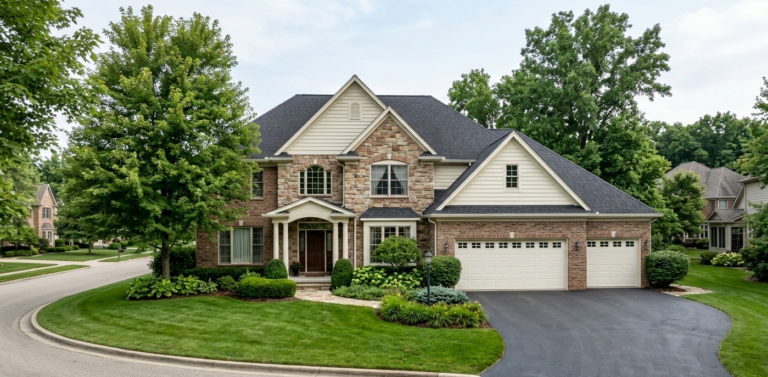
What to Know When Selling a Forest Hills Home With a Well
If you’re selling a home in the Forest Hills School District and your property uses a private well for water, you’ll need a specific plan to ensure your transaction closes smoothly. Buyers expect clean, safe water—and local lenders, inspectors, and appraisers have well-defined requirements for testing and documentation. Overlooking well-related steps can result in lost time, buyer hesitation, or even a failed closing. Here’s what Forest Hills sellers need to know to avoid surprises and position their home for a strong sale.
Quick Answer
To sell your Forest Hills home with a well, order a certified well and water quality inspection before listing, address any issues proactively, and provide full documentation to buyers and lenders. This minimizes closing delays and makes your home more appealing in a market where many buyers compare city water to well water.
1. Well and Water Quality Inspections: Non-Negotiable for Forest Hills Sales
In Forest Hills, most buyers and lenders require a certified well and water quality inspection as part of the sale. This is not just a formality—local lenders often won’t approve financing until they receive proof of potable water and a working well system. Expect buyers to ask for recent lab results showing the absence of bacteria and nitrates, and a professional inspection confirming the well’s mechanical integrity.
Order your inspection before you list, not after an offer comes in. This allows you to address any issues up front, share clean reports with buyers, and avoid last-minute surprises that could scare off otherwise interested parties. If your well fails, you’ll have time to retest, treat, or repair before you’re under contract.
2. Pricing and Positioning: How a Well Impacts Buyer Perception
Homes with wells in Forest Hills are common, especially in areas like Ada Village and larger Cascade Township lots. However, buyers relocating from Grand Rapids or out-of-state—who are used to municipal water—often have extra questions or concerns. Your pricing and marketing should reflect the benefits of a well (such as no monthly water bill and excellent water pressure) but also address potential buyer hesitations.
A good rule of thumb: If your well is newer, deep, and produces strong lab results, highlight these points in your listing. If you’re competing against newer construction with city water, be prepared for some buyers to factor the well into their offer price. Providing documentation and a short “well system guide” can reassure buyers and support your asking price.
3. Disclosure and Documentation: What Forest Hills Sellers Must Provide
Michigan law requires sellers to disclose well location, age, and any known issues on the Seller’s Disclosure Statement. In Forest Hills, buyers expect even more: recent inspection reports, water quality lab results, and service records for the well pump and pressure tank. Keeping a binder with this information readily available during showings makes your home stand out as “move-in ready.”
For properties near Forest Hills Central High School and Forest Hills Eastern High School, I often see buyers’ agents request detailed documentation within days of an accepted offer. Having this ready can prevent delays and demonstrate transparency, which builds buyer confidence. For specifics on seller disclosure rules, see Michigan’s well construction guidelines.
4. Appraisals and Lender Requirements: Avoiding Closing Surprises
Appraisers in the Forest Hills School District are required to note if a property uses a private well and may flag any visible issues, such as a missing well cap or signs of contamination. Lenders, especially those offering FHA or VA loans, require a passing water quality test as a condition of closing. If you’re selling a home in the $400K–$1.5M range, many buyers will need financing, so preparing well documentation is crucial.
A decision-making framework: If your well has not been tested in the last six months, schedule an inspection and water test before listing. If any repairs or treatments are needed, complete them and retest. Share all results with your listing agent and be proactive about communicating with buyers’ agents. This prevents your sale from falling apart in the appraisal or financing phase.
Real Seller Case Study: Ada Woods, $925K—Proactive Well Testing Wins Multiple Offers
Last spring, I listed a custom home in Ada Woods, priced just under $1 million. The property featured a newer deep well and sat on a wooded lot close to Cascade Township. Before listing, the sellers completed a full well inspection and water test, then shared a summary sheet with every showing. Buyers—especially relocation families moving from areas with city water—were reassured by the documentation and the seller’s transparency. The home received three offers within the first week. During negotiations, the buyers waived additional well testing because the reports were fresh and thorough, and the home closed above list price.
Forest Hills Market Insight
In the Forest Hills School District, homes on larger wooded lots with wells—especially in Ada and Cascade—often attract families seeking privacy and more land. However, I’ve seen buyer priorities shift depending on school zones. Forest Hills Central High School homes tend to draw more local move-up buyers, while Cascade Township properties with wells often attract relocation buyers from metro Detroit or Chicago. These buyers frequently ask for extra well documentation and may compare your property directly to newer homes with city water. According to Grand Rapids Association of Realtors market data, homes with updated well systems and clear documentation tend to sell faster and with fewer price concessions.
Frequently Asked Questions About Selling in Forest Hills School District
- How much does a well and water inspection cost in Forest Hills?
Most certified inspections and water quality lab tests run $300–$500, depending on depth and complexity. - Do all buyers require a well inspection?
Almost all lenders and most buyers request recent well and water tests, especially for homes over $400K. - What happens if my well fails the inspection?
You’ll need to address the issue—such as shock chlorination, new filtration, or repairs—then retest before closing can proceed. - Can I sell “as-is” if my well has problems?
Yes, but expect a lower sale price and limited buyer pool; most financed buyers require a working, safe well system.
Related Forest Hills Seller Resources
- How Do I Handle a Failed Inspection When Selling My Grand Rapids Home?
- What Should I Know About Unpermitted Work in Grand Rapids?
- Should I Wait for More Buyer Interest to List My East Grand Rapids Home?
About the Author
Jason Pohlonski
is a Michigan licensed real estate salesperson with Keller Williams Grand Rapids East. He helps buyers and sellers throughout East Grand Rapids, Grand Rapids, Forest Hills, Ada, Byron Center, Jenison, Cascade, and surrounding West Michigan communities.
Jason began his real estate career in Chicago in 2004, later expanding his experience in Ann Arbor from 2014 to 2019, and has been serving clients in the Grand Rapids area since 2019.
With over 20 years of combined real estate experience across multiple markets, Jason focuses on helping clients make clear real estate decisions involving pricing, offer terms, inspections, appraisals, relocation timing, and buy-sell planning.
Industry Recognition
Jason is recognized by platforms and industry organizations including Zillow, Grand Rapids Magazine Real Estate All-Stars, and Real Producers for his work serving West Michigan buyers and sellers.
Jason also supports One More Moment, a nonprofit that grants wishes to late-stage cancer patients, by donating $100 for every successful closing.
Professional Disclosure
Jason Pohlonski
Michigan Licensed Real Estate Salesperson
License Verification: Verify Michigan License #6501386166
Brokerage: Keller Williams Grand Rapids East
Brokerage Office: 1555 Arboretum Dr. SE
Grand Rapids, MI 49546
📱 Call or text: 616-916-9770
📅 Schedule consultation:
https://calendly.com/pohlonskirealestate/30min
📧 Email: jpohlonski@kw.com
This article reflects real client experiences and market conditions in East Grand Rapids, Grand Rapids, and surrounding West Michigan communities at the time of publication. Real estate outcomes can vary depending on market conditions, property characteristics, buyer demand, financing terms, inspection results, appraisal results, and lender requirements.
This article is for general informational purposes only and is not legal, tax, financial, insurance, engineering, inspection, or appraisal advice. Buyers and sellers should consult qualified professionals before making decisions involving financing, insurance, inspections, taxes, legal issues, property risk, or valuation.