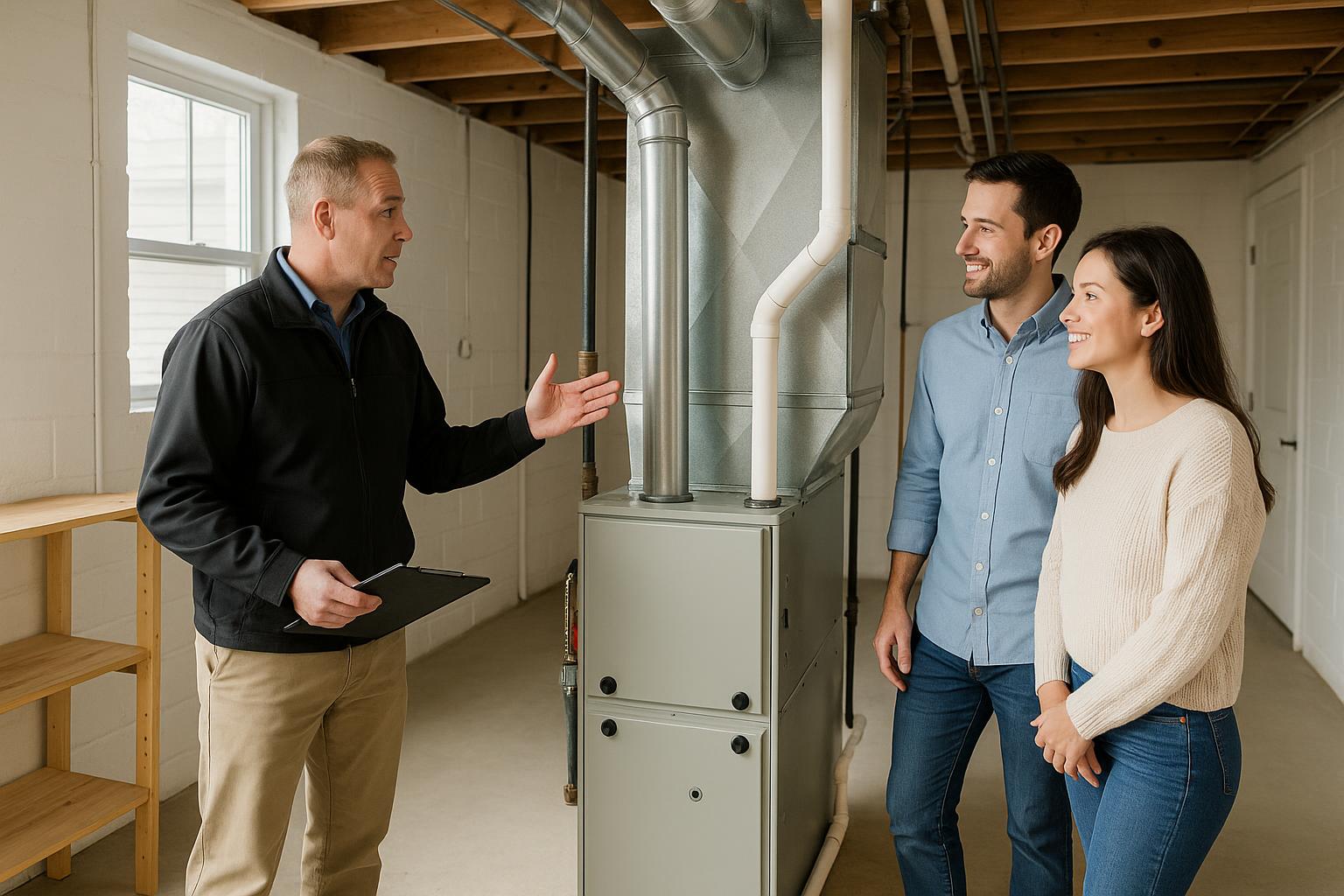
What Should I Know About Furnace Age When Buying a Home in Grand Rapids?
If you’re buying a home in Grand Rapids, one detail that often gets overlooked is the age and condition of the furnace. Since our winters can get pretty cold, the furnace isn’t just another line item—it affects comfort, safety, and your future budget. Here’s what you should know before making an offer or moving forward with your purchase.
Quick Answer
Furnace age matters in Grand Rapids because an older system can mean unexpected repair or replacement costs right after you move in. It’s important to check the furnace’s age during inspection, since it may impact your budget, comfort, and even your ability to get certain types of homeowners insurance.
If you find an older furnace, you’ll want to consider its remaining lifespan, maintenance history, and whether it’s been updated for efficiency and safety. If you’re dealing with this situation, I’m happy to walk through it with you.
Why Furnace Age Matters in Grand Rapids Homes
Furnaces don’t last forever. In Grand Rapids, with our cold winters, the furnace works hard every year. An older furnace may still run, but it’s more likely to need repairs, run less efficiently, or fail entirely during the colder months.
When you’re buying, knowing the furnace age helps you plan for immediate or upcoming costs. If the furnace is near the end of its expected lifespan, it’s smart to budget for a replacement sooner rather than later. Even if it’s working during your showing, a system that’s 15-20 years old may not have much life left. Maintenance records can also give you a sense of how well it’s been cared for.
How to Find Out the Furnace Age and Condition
The best time to check the furnace is during your home inspection. Your inspector can usually estimate the age by looking at the serial number on the unit, which often contains the manufacture date. They’ll also look for signs of rust, leaks, or poor maintenance that might shorten its lifespan.
If you want to double-check, you can look up the brand and serial number online, or call the manufacturer. Don’t just rely on the seller’s word—get confirmation during your inspection. If you’re unsure, ask the inspector directly how much usable life they think is left and what kinds of repairs might be coming up.
Want to Talk Through Your Situation?
If you’re unsure how furnace age could impact your Grand Rapids purchase, or what to ask during inspection, I’m happy to help you sort through it.
Schedule a Buyer Consultation or call/text 616-916-9770.
Budgeting for Furnace Replacement or Repairs
A simple rule of thumb: If the furnace is approaching the typical end of its lifespan (often around 15-20 years), plan for a replacement sooner rather than later. Even if it’s working now, repairs may add up quickly as components wear out. Ask your inspector if any safety issues are present, as those can’t be ignored.
Costs for repairs or replacement vary by the size of the home, the type of furnace, and labor rates. I recommend getting a rough estimate from a local HVAC contractor if you’re unsure. You can also check out this guide on budgeting for home maintenance in Grand Rapids for more ideas on what to plan for. If the furnace is newer but hasn’t been serviced, factor in a tune-up or cleaning in your first year.
Jason’s take: In my experience, buyers who know the furnace age going in are less surprised by repair bills or replacement costs in their first couple years. It’s worth asking up front and getting clarity during inspection.
Negotiating Furnace Issues with the Seller
If the inspection reveals that the furnace is old or has issues, you have a few options, depending on the purchase agreement, lender requirements, and the seller’s willingness. You might ask the seller to make repairs, discuss a credit at closing, or simply factor the replacement cost into your offer. Negotiating flexibility depends on the seller, competing interest, property condition, and current market conditions.
If you’re financing, your lender may want to see that the heating system is safe and functional—especially if you’re using certain loan programs. If safety is a concern, or if the furnace isn’t working, the lender may require repairs before closing. It’s smart to talk to your lender and inspector about what’s required for your situation. For more on what happens if an issue delays your closing, see what happens if a buyer asks for more time to close.
Grand Rapids Buyer Example
For example, imagine a Grand Rapids buyer who finds a house they love, but the inspection reveals the furnace is over 20 years old. The buyer asks the inspector about its condition and gets a ballpark estimate for how long it might last. After talking with their agent, the buyer decides to ask the seller for a credit at closing to help offset the cost of a new furnace, rather than requesting the seller replace it before closing. This way, the buyer can choose the replacement model and timing, and the sale moves forward smoothly.
How Furnace Age Can Matter Specifically in Grand Rapids
In Grand Rapids, homes can range from historic properties to new construction, so furnace age can vary widely from house to house. Older homes may have older heating systems or units that have been replaced over the years, sometimes more than once. Weather is another factor—cold snaps can reveal issues that aren’t obvious during a spring or summer showing. If you’re buying in winter, you’ll get a real sense of whether the system keeps up. If you’re buying in warmer months, pay extra attention during inspection, since you may not be able to test the furnace under full winter load.
Buyers may also want to consider efficiency. Newer furnaces are generally more efficient, which can mean lower utility bills. If you’re considering upgrades, talk with your HVAC contractor about energy savings and any local rebates. One issue worth discussing with your inspector is whether the ductwork or venting will also need updates if you replace the furnace. These details can add to the cost, but also improve comfort and safety in your new home.
Frequently Asked Questions About Buying in Grand Rapids
How long does a furnace usually last in Grand Rapids homes?
It depends on the make, model, and how well it’s been maintained, but many furnaces last around 15–20 years. Your inspector can give you a better estimate based on the specific unit and its condition.
Can I ask the seller to replace an old furnace before closing?
Depending on your purchase agreement, the inspection results, lender requirements, and the seller’s willingness, you can request repairs or a credit. Whether the seller agrees can depend on the situation and market conditions.
Will an old furnace affect my ability to get a mortgage?
Lenders want to see that the heating system is safe and operational. If the furnace is nonfunctional or unsafe, some loan programs may require repairs before closing. Discuss this with your lender if you’re concerned.
Should I budget for furnace replacement right away?
If the furnace is nearing the end of its typical lifespan or shows signs of trouble during inspection, it’s smart to budget for a replacement soon. If it’s newer, a tune-up or cleaning is still a good idea in your first year.
Related Grand Rapids Buyer Resources
- How Much Should I Budget for Home Maintenance Costs in Grand Rapids?
- What Should I Know About Well and Septic Inspections When Buying a Home in Grand Rapids?
- What Should I Know About Earnest Money When Buying a Home in Grand Rapids?

Industry Recognition
Jason is recognized by platforms and industry organizations including Zillow, Grand Rapids Magazine Real Estate All-Stars, and Real Producers for his work serving West Michigan buyers and sellers.
Jason also supports One More Moment, a nonprofit that grants wishes to adults with cancer, by donating $100 from every successful closing.
Professional Disclosure
Jason Pohlonski
Michigan Licensed Real Estate Salesperson
Verify Michigan License #6501386166
Brokerage: Keller Williams Grand Rapids East
Brokerage Office: 1555 Arboretum Dr. SE, Grand Rapids, MI 49546
Call or text: 616-916-9770
Schedule a 30-minute consultation
Email: jpohlonski@kw.com
This article reflects Jason’s experience working with buyers and sellers and market conditions in Grand Rapids and surrounding communities at the time of publication. Real estate outcomes can vary depending on market conditions, property characteristics, buyer demand, financing terms, inspection results, appraisal results, and lender requirements.
This article is for general informational purposes only and is not legal, tax, financial, insurance, engineering, inspection, or floodplain determination advice. Buyers and sellers should consult qualified professionals before making decisions involving financing, insurance, inspections, taxes, legal issues, or property risk.