How Forest Hills School Ratings Influence Home Sale Prices
Introduction
If you’re preparing to sell your home in the Forest Hills School District, one of the most critical factors affecting your sale price is the perceived quality and ratings of the local schools. Whether your property is zoned for Forest Hills Central, Northern, or Eastern, school ratings directly shape buyer demand, competitive dynamics, and your leverage at the negotiation table. Understanding how school performance data influences buyer priorities can help you position your home for maximum value in this highly sought-after market.
Quick Answer
Homes zoned for the highest-rated schools in Forest Hills consistently attract more buyers, stronger offers, and faster sales. As a seller, pricing your home with school ratings in mind is essential to capturing premium demand and avoiding costly missteps.
How School Ratings Shape Buyer Demand in Forest Hills
In Forest Hills, buyers—especially those relocating from outside West Michigan—often begin their search by filtering for homes within the top-rated school zones. Forest Hills Central High School, for example, is routinely cited as a “must-have” by families who track statewide and national rankings. According to Niche.com, Forest Hills Public Schools consistently rank among the top districts in Michigan, and this reputation drives a steady stream of well-qualified buyers directly to these neighborhoods.
The result is that properties zoned for Central, and to a slightly lesser extent Northern and Eastern, typically generate more showing requests and often sell above asking price when priced appropriately. Sellers who understand which school ratings are most in-demand can time their listing and set their price to capitalize on this buyer behavior, turning educational reputation into real financial value.
Pricing Strategy: How to Benchmark Against Recent Sales
When setting a list price in Forest Hills, it’s essential to compare your home directly to recent sales within the same school zone—down to the elementary and high school level. For example, a four-bedroom home in Cascade Township zoned for Forest Hills Central may sell for 5–10% more than a similar property in an adjacent neighborhood assigned to Forest Hills Eastern, even if the homes are nearly identical in size and finish. This premium is driven by buyer willingness to pay more for perceived academic advantage.
A practical rule of thumb: prioritize comparables that share your exact school assignment, not just general location. If you’re on the border between Central and Northern zones, look at the difference in price per square foot and days on market for similar homes in each. This data-driven approach ensures you aren’t leaving money on the table by pricing too low—or risking a stale listing by aiming above what buyers will pay for your specific school zone.
Marketing Your Home: Highlighting School Assignments and Ratings
To maximize buyer interest, your marketing should clearly communicate your home’s assigned schools and their recent accolades. In my own listings, I always feature the latest Forest Hills School District rankings and mention awards for programs like STEM, athletics, or arts where applicable. Including links to school profiles or recent news coverage within your online listing can help out-of-town buyers quickly understand the value proposition.
It’s also effective to stage your home with subtle nods to family-friendly living—think study nooks, upgraded home offices, or flexible spaces that support remote learning. These details reinforce the message that your home is not only in a top district but also ready for the academic needs of today’s buyers.
Negotiation Leverage: Using School Ratings to Your Advantage
In competitive segments—especially for homes between $500K and $1.2M—school ratings can become a powerful tool during negotiation. When multiple buyers are vying for a listing in Forest Hills Central, sellers can often push for stronger terms: shorter inspection periods, higher earnest money, or even escalation clauses that drive the price above the initial list.
Conversely, if your home is in a zone with slightly lower perceived ratings (such as Forest Hills Eastern compared to Central), pricing just below the top tier can generate multiple offers and a bidding atmosphere. This nuanced approach helps avoid overpricing while still leveraging the district’s overall strong reputation.
Real Seller Case Study
Last spring, I represented a seller in Ada Village with a home listed just under $950K, zoned for Forest Hills Central High School. We received three offers within the first week—two of which were from families relocating for work, specifically requesting Central’s attendance area. By referencing recent sales in the same school zone and highlighting Central’s Blue Ribbon award, we negotiated a final sale $27K over asking with a waived appraisal contingency. In contrast, a nearly identical home in the same price range but zoned for Northern sat on the market for three weeks before selling at list price.
Forest Hills Market Insight
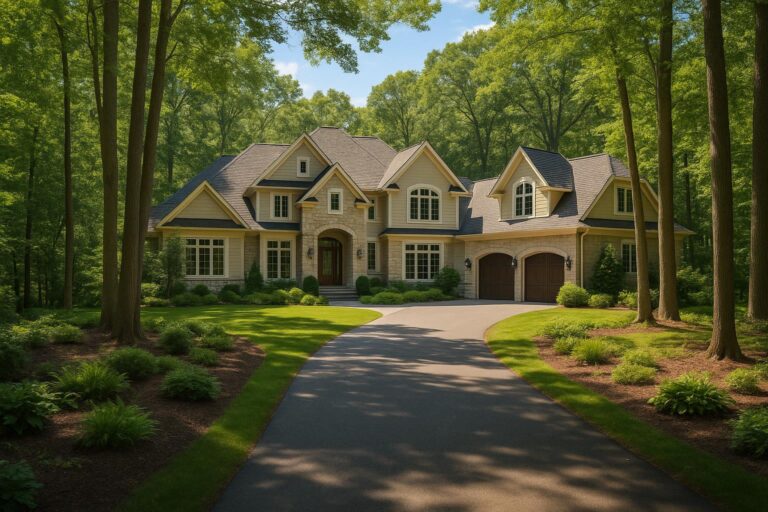
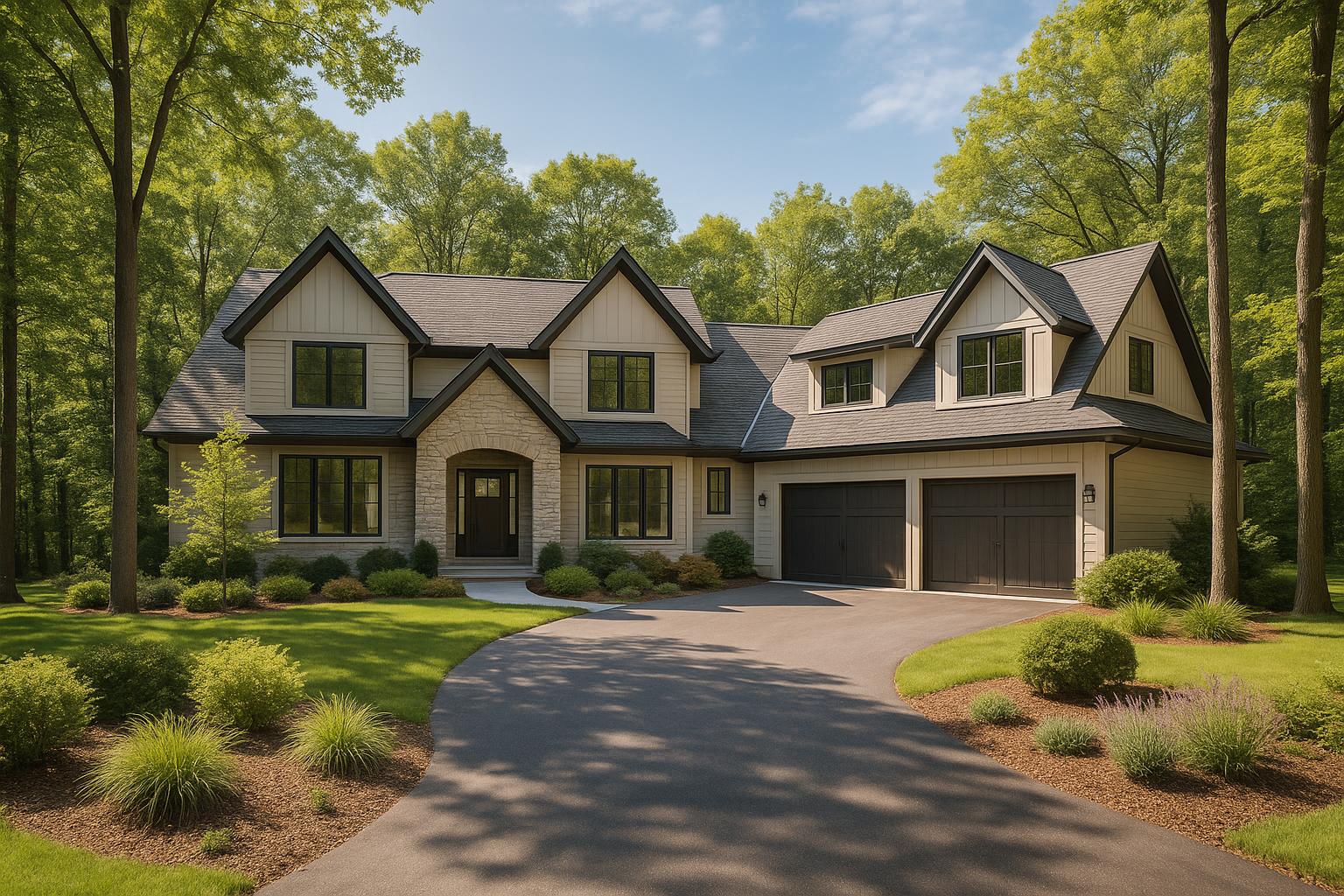
One trend I’ve seen in Forest Hills is the premium buyers place on wooded lots and newer construction, especially in Cascade Township and Ada Village. Relocation buyers—many moving from Chicago, Detroit, or out-of-state—often gravitate toward homes zoned for Forest Hills Central, and they’re willing to pay extra for privacy, updated amenities, and proximity to top schools. This combination of location, lot, and school assignment creates a “perfect storm” for premium pricing in the $700K–$1.2M range.
Frequently Asked Questions About Selling in Forest Hills School District
-
How much more can I expect to get for a home zoned for Forest Hills Central?
On average, homes zoned for Central sell for 5–10% more than similar properties in other Forest Hills zones, provided other factors like lot size and updates are comparable. -
Do buyers really check school ratings before making an offer?
Yes—especially relocation buyers. School ratings are often the first filter used, and many buyers will only tour homes assigned to their preferred schools. -
Does new construction compete with resale homes in Forest Hills?
Absolutely. In areas like Ada and Cascade, newer builds with top school assignments command top dollar and can sometimes outpace older homes, even those with recent updates. -
Should I market my home differently if I’m zoned for Forest Hills Eastern?
Yes. Focus on your home’s unique amenities, recent upgrades, and proximity to parks or trails, and consider pricing just below Central-zoned comparables to attract multiple offers.
Related Forest Hills Seller Resources
- Should You Update Your Roof Before Selling in EGR?
- Top Neighborhoods in Grand Rapids for Family Homebuyers
- Timing Your East Grand Rapids Sale for Peak Offers
About the Author
Jason Pohlonski
is a Michigan licensed real estate salesperson specializing in strategic home sales in East Grand Rapids, Forest Hills, Ada, and surrounding West Michigan communities.
Jason began his real estate career in Chicago in 2004, later expanding his experience in Ann Arbor from 2014 to 2019, and has been serving clients in the Grand Rapids area since 2019.
With over 20 years of combined real estate experience across multiple markets, Jason focuses on pricing strategy, negotiation structure, and helping clients make confident decisions during complex transactions.
Jason is recognized by platforms and industry organizations including Zillow, Grand Rapids Magazine Real Estate All-Stars, and Real Producers for his work serving West Michigan buyers and sellers.
Professional Disclosure
Jason Pohlonski
Michigan Licensed Real Estate Salesperson
License Verification: Verify Michigan License #360538118
Brokerage: Keller Williams Grand Rapids East
📱 Call or text: 616-916-9770
📅 Schedule consultation:
https://calendly.com/pohlonskirealestate/30min
This article reflects real client experiences and market conditions in Forest Hills School District and surrounding communities at the time of publication.
Real estate outcomes can vary depending on market conditions, property characteristics, and buyer demand.