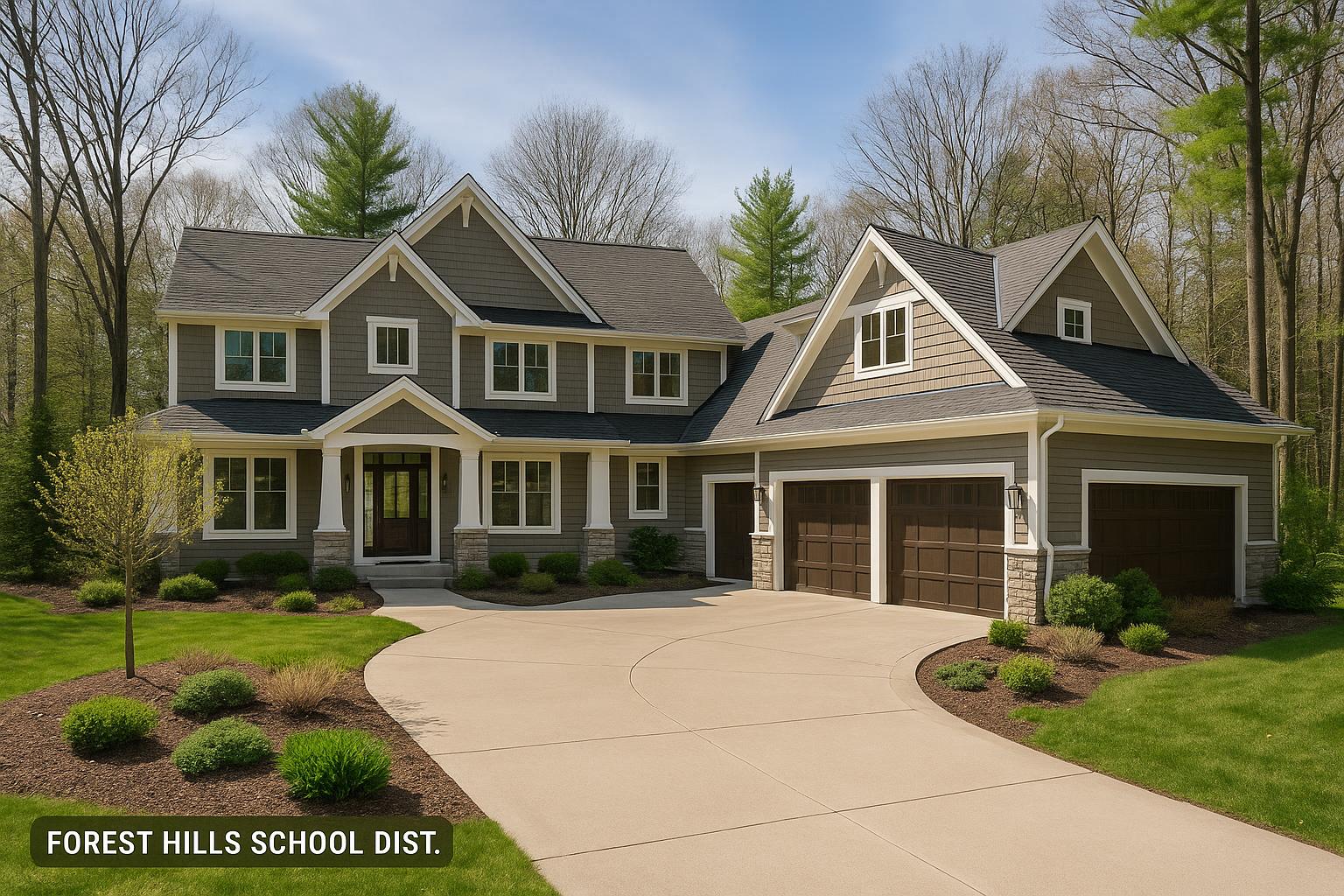
How Forest Hills Property Taxes Impact Home Sale Pricing Strategy
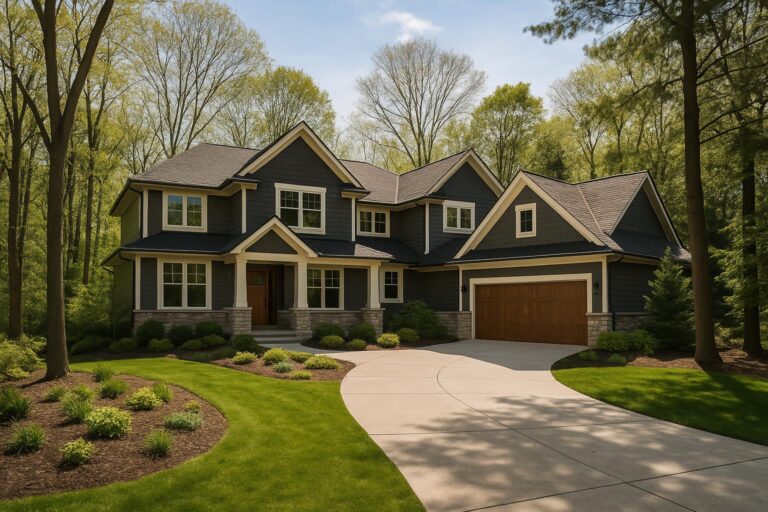
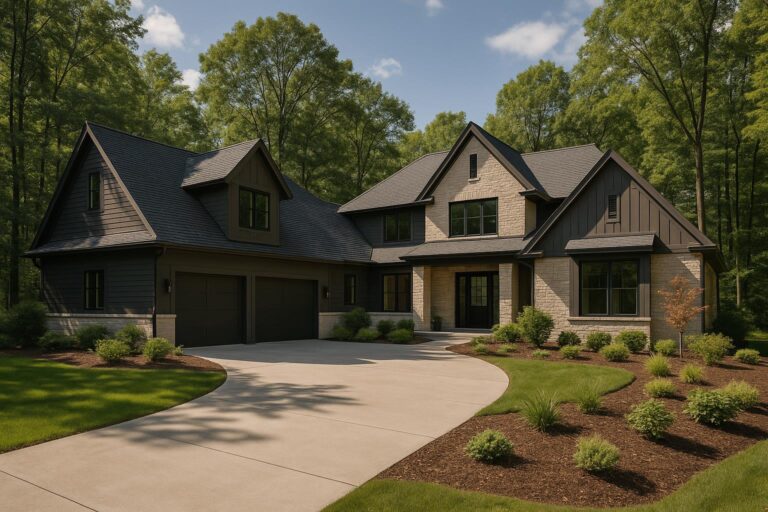
When you’re preparing to sell your home in the Forest Hills School District, property tax rates play a crucial role in shaping your pricing strategy. Buyers in Forest Hills—especially those looking between $400,000 and $1.5 million—pay close attention to total monthly carrying costs, and property taxes are a major factor. Understanding exactly how these taxes compare across neighborhoods like Ada, Cascade Township, and the areas around Forest Hills Central, Northern, and Eastern can help you set a price that attracts more serious buyers while maximizing your final sale price.
Quick Answer
Forest Hills sellers should account for their specific property tax millage when pricing their home. In areas with higher tax rates, pricing slightly more competitively can widen the buyer pool and lead to faster, stronger offers. Always highlight the total tax cost in your listing and be ready to address buyer questions directly.
1. Evaluating Tax Impact on Buyer Affordability
In Forest Hills, property taxes can vary significantly depending on the township and school boundaries. For example, homes in Ada Village often have a different millage rate than those in Cascade Township or within the Forest Hills Central boundary. Buyers—especially those relocating from outside West Michigan—will compare your home’s total tax bill to others on their shortlist. A higher property tax can affect a buyer’s loan approval and monthly payment, making your home feel less affordable even if the list price is competitive.
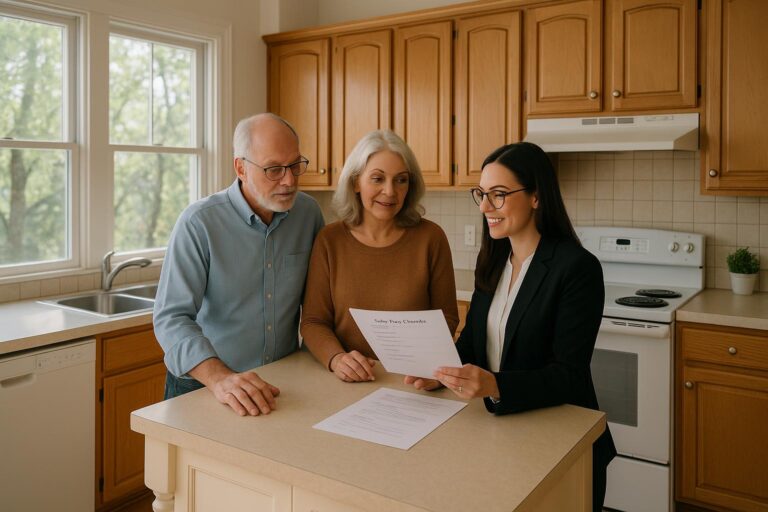
To proactively address this, calculate and present the estimated monthly payment (including taxes) in your marketing materials and during showings. This transparency builds trust and allows buyers to quickly see how your home fits their budget, reducing friction during negotiations and minimizing surprises at offer time.
2. Positioning Against Competing Listings
When listing your Forest Hills home, it’s critical to benchmark your property tax rate against similar homes in your price range. For example, a $700,000 home in Cascade Township may have a slightly higher annual tax bill than a similar property near Forest Hills Eastern High School. Buyers will notice this difference, especially when comparing homes with similar features and finishes.
The strategy here is to ensure your asking price reflects any tax differential. If your tax rate is above average for your neighborhood, consider pricing within the lower half of your competitive range. Conversely, if your taxes are below the local norm, use this as a marketing advantage—highlight the cost savings to attract budget-conscious buyers who want to be in the Forest Hills School District without stretching their finances.
3. Rule of Thumb for Adjusting List Price
As a practical framework, every $1,200 difference in annual taxes translates to roughly $100 per month in a buyer’s mortgage payment. If your property taxes are $2,400 higher than a comparable listing, a $10,000–$15,000 price adjustment can help neutralize the impact and keep your home competitive. This rule of thumb is especially useful in mid- to upper-tier segments where buyers are weighing monthly costs closely.
During my recent listing consultations, I recommend Forest Hills sellers review the Kent County Equalization data to confirm their exact taxable value and compare it with nearby homes currently on the market. This data-driven approach gives you a strong negotiating position and helps avoid extended days on market due to affordability concerns.
4. Navigating Buyer Negotiations and Tax Proration
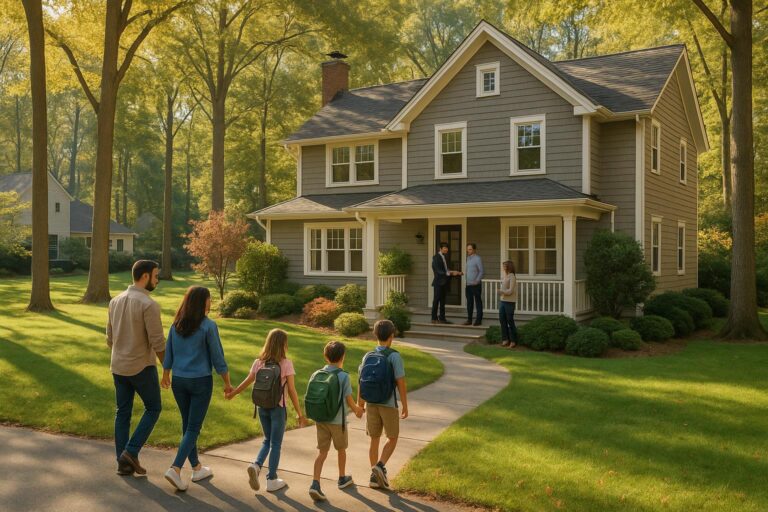
Buyers in Forest Hills often request detailed breakdowns of property tax history before submitting offers. It’s common for relocation buyers—drawn to Cascade Township or Ada for the Forest Hills School District—to ask for tax proration at closing. Being prepared with accurate tax statements and a clear explanation of how taxes are calculated in your township can streamline the negotiation process and prevent last-minute objections.
Proactive sellers can also leverage tax timing to their advantage. For example, listing just after tax bills are paid means buyers will owe less in prorated taxes at closing, which can be a small but meaningful incentive for buyers balancing upfront costs. For more on timing strategies, see our post on when to list your East Grand Rapids home.
Real Seller Case Study
In spring 2023, I listed a $925,000 home in the Forest Hills Central High School area. The property had a slightly higher annual tax bill due to recent improvements and updated assessments. We positioned the home $10,000 below the nearest comparable with a lower tax rate and highlighted the home’s unique upgrades and walkability to Forest Hills Central. The strategy worked: within 10 days, we received three offers—two from relocation buyers and one from a local family. By proactively addressing the tax rate and presenting a clear value proposition, we negotiated a final sale just $5,000 below list, with minimal contingencies.
Forest Hills Market Insight
One trend I consistently see: homes on larger wooded lots in Ada Village attract buyers willing to pay a premium, but only if the property taxes are in line with the value offered. If a home’s taxes are notably higher than a similar Cascade Township property, buyers will often use that as leverage during negotiations or walk away if the difference isn’t justified by location or amenities. This micro-market behavior is especially pronounced among buyers targeting Forest Hills Central versus Northern or Eastern, as each area has its own tax nuances and buyer expectations.
Frequently Asked Questions About Selling in Forest Hills School District
- How do I find my home’s exact property tax rate in Forest Hills?
Visit the Kent County Equalization website or contact your local township assessor for the latest tax details. - Can I appeal my property tax assessment before selling?
Yes, but the appeal deadline is typically in March. Consult with your township assessor or a tax professional for eligibility and steps. - Do buyers really compare taxes between Forest Hills neighborhoods?
Absolutely. Many buyers, especially those relocating, scrutinize tax bills and weigh them against similar homes in Ada, Cascade, and surrounding areas. - Will lower taxes help my home sell faster?
Lower taxes often make your home more attractive and can lead to a quicker sale, but pricing and marketing strategy remain equally important.
Related Forest Hills Seller Resources
- How to Choose the Right Offer in Grand Rapids Real Estate
- When to List Your East Grand Rapids Home for Best Results
- Grand Rapids Weekly Market Report (4/19/2026)
About the Author
Jason Pohlonski
is a Michigan licensed real estate salesperson specializing in strategic home sales in East Grand Rapids, Forest Hills, Ada, and surrounding West Michigan communities.
Jason began his real estate career in Chicago in 2004, later expanding his experience in Ann Arbor from 2014 to 2019, and has been serving clients in the Grand Rapids area since 2019.
With over 20 years of combined real estate experience across multiple markets, Jason focuses on pricing strategy, negotiation structure, and helping clients make confident decisions during complex transactions.
Jason is recognized by platforms and industry organizations including Zillow, Grand Rapids Magazine Real Estate All-Stars, and Real Producers for his work serving West Michigan buyers and sellers.
Professional Disclosure
Jason Pohlonski
Michigan Licensed Real Estate Salesperson
License Verification: Verify Michigan License #360538118
Brokerage: Keller Williams Grand Rapids East
📱 Call or text: 616-916-9770
📅 Schedule consultation:
https://calendly.com/pohlonskirealestate/30min
This article reflects real client experiences and market conditions in Forest Hills School District and surrounding communities at the time of publication.
Real estate outcomes can vary depending on market conditions, property characteristics, and buyer demand.