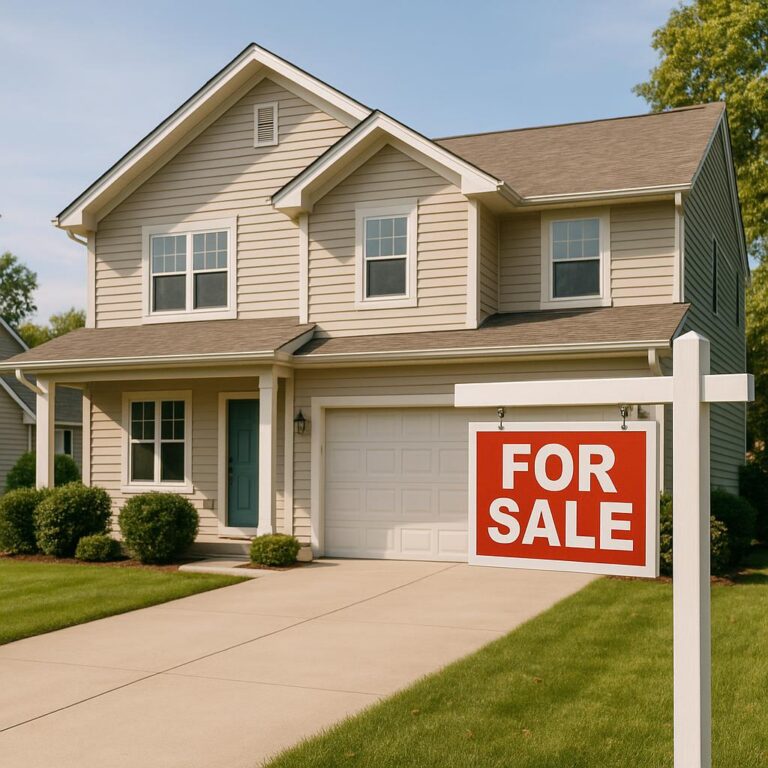
How do I handle multiple offers on my Grand Rapids home?
When your Grand Rapids home attracts multiple offers, it’s an exciting sign that your listing is getting strong attention in the local market. But with that excitement comes the responsibility to compare, negotiate, and choose the offer that truly aligns with your goals—not just the highest price. How you handle this moment can make a real difference in your financial outcome and peace of mind at closing.
Many Grand Rapids sellers wonder how to navigate the flurry of paperwork and decisions when more than one buyer is interested. Should you go for the highest bid, the fastest timeline, or the surest deal? Here’s a clear, seller-focused guide to making the most of a multiple-offer situation.
Quick Answer: What to Do When You Get Multiple Offers
If you receive several offers on your Grand Rapids home, the best move is to compare more than just price. Look closely at contingencies, financing type, closing flexibility, and overall risk. Often, the strongest offer is a balance of price and certainty—a cash or well-qualified conventional loan with minimal contingencies and a timeline that fits your needs.
Don’t rush or get overwhelmed. You have the right to review, negotiate, and even counter multiple buyers at once. If you’re dealing with this, I’m happy to walk through it with you.
Strategy 1: Evaluate Offers Beyond Price
It’s easy to focus on the highest number, but smart Grand Rapids sellers look deeper. Offers can vary in their down payment strength, loan type (conventional, FHA, VA), inspection and appraisal terms, and even escalation clauses. For example, a cash offer or a large down payment often signals less risk for you as the seller—there’s a smaller chance of financing or appraisal issues delaying the deal. According to the National Association of Realtors, cash sales tend to close faster and with fewer complications.
Jason’s take: I’ve seen sellers regret choosing the top-dollar offer when it came with a risky loan or a long list of contingencies. Always weigh certainty against price.
Strategy 2: Weigh Contingencies and Closing Flexibility
Contingencies give buyers the option to back out or renegotiate if certain conditions aren’t met—such as inspections, appraisals, or selling their own home first. Fewer contingencies mean less risk for you. Also, consider which offer matches your ideal closing and possession dates. If you need extra time to move, a buyer who can offer post-closing occupancy or flexible timing may be worth more than a slightly higher price.
Jason’s take: Sellers who prioritize their own moving timeline are often happier in the end. Don’t overlook the value of possession terms that reduce your stress.
Strategy 3: Respond with a Highest and Best or Counters
When offers are close in value, you can ask all buyers for their “highest and best” offer by a set deadline. This gives everyone a fair shot and often brings out the most competitive terms. Alternatively, you can negotiate directly with one or more buyers—countering for price, closing date, or contingency removal.
Be transparent but strategic. Michigan law requires you to treat all parties fairly, but you don’t have to disclose the details of other offers unless you want to. For more on multiple-offer best practices, see guidance from the Consumer Financial Protection Bureau.
Strategy 4: Protect Yourself from Appraisal or Financing Surprises
In a hot Grand Rapids market, some buyers may offer well above asking price to win—but that doesn’t guarantee you’ll actually pocket that amount. If the buyer’s lender appraises your home lower than the offer price, the deal can fall apart or force renegotiation. Offers with appraisal gap coverage (where the buyer commits to cover a shortfall in value) or cash terms lower your risk. Likewise, review the strength of each buyer’s pre-approval and lender.
A practical tip: Don’t just trust a pre-approval letter—ask your agent to call the lender and verify the buyer’s financial position. This step alone has saved many Grand Rapids sellers from last-minute headaches.
Real Seller Case Study: Choosing Certainty Over Highest Price
A Grand Rapids seller I recently worked with listed their three-bedroom home and, after a weekend of showings, received four offers. The highest was $17,000 over asking, but it was an FHA loan with a small down payment and multiple contingencies. Another offer came in $10,000 over asking, all cash, with a quick close and no appraisal or inspection contingency. After reviewing the risks and timelines, the seller chose the cash offer—even though it wasn’t the highest. The sale closed smoothly in 18 days, with no last-minute surprises.
What changed the outcome? The seller’s willingness to look beyond price and value peace of mind over potential headaches.
Grand Rapids Market Insight
In Grand Rapids, well-presented homes in popular neighborhoods often generate multiple offers within days of listing—especially when priced right and staged for showings. Savvy sellers who focus on both offer strength and closing certainty tend to avoid deals falling apart late in the process. The most successful outcomes come from a clear plan and open communication with your agent.
Frequently Asked Questions About Selling in Grand Rapids
- How long do I have to respond to multiple offers?
There’s no strict deadline, but most sellers respond within 24–48 hours to keep buyers engaged and momentum strong. - Do I have to accept the highest offer?
No. You can choose the offer that best fits your needs—whether that’s price, timeline, or certainty of closing. - Can I negotiate with more than one buyer at once?
Yes, you may counter multiple buyers, but be careful not to accept more than one offer at the same time. Your agent can guide you through this process. - What happens if the winning offer falls through?
You can often move to the next best offer or return to the market. Your agent can help you keep backup offers in play.
Related Resources
- What Happens If My Grand Rapids Home Appraises Low?
- Should I Fix Things Before Selling in Grand Rapids?
- Can I Sell My Grand Rapids Home As-Is?
About the Author
Jason Pohlonski
is a Michigan licensed real estate salesperson with Keller Williams Grand Rapids East. He helps buyers and sellers throughout Grand Rapids, East Grand Rapids, Forest Hills, Ada, Byron Center, Jenison, Cascade, and surrounding West Michigan communities.
Jason began his real estate career in Chicago in 2004, later expanding his experience in Ann Arbor from 2014 to 2019, and has been serving clients in the Grand Rapids area since 2019.
With over 20 years of combined real estate experience across multiple markets, Jason focuses on helping clients make clear real estate decisions involving pricing, offer terms, inspections, appraisals, relocation timing, and buy-sell planning.
Industry Recognition
Jason is recognized by platforms and industry organizations including Zillow, Grand Rapids Magazine Real Estate All-Stars, and Real Producers for his work serving West Michigan buyers and sellers.
Jason also supports One More Moment, a nonprofit that grants wishes to late-stage cancer patients, by donating $100 for every successful closing.
Professional Disclosure
Jason Pohlonski
Michigan Licensed Real Estate Salesperson
License Verification: Verify Michigan License #6501386166
Brokerage: Keller Williams Grand Rapids East
Brokerage Office: 1555 Arboretum Dr. SE, Grand Rapids, MI 49546
📱 Call or text: 616-916-9770
📅 Schedule consultation:
https://calendly.com/pohlonskirealestate/30min
📧 Email: jpohlonski@kw.com
This article reflects real client experiences and market conditions in Grand Rapids and surrounding communities at the time of publication. Real estate outcomes can vary depending on market conditions, property characteristics, buyer demand, financing terms, inspection results, appraisal results, and lender requirements.
This article is for general informational purposes only and is not legal, tax, financial, insurance, engineering, inspection, or floodplain determination advice. Buyers and sellers should consult qualified professionals before making decisions involving financing, insurance, inspections, taxes, legal issues, or property risk.