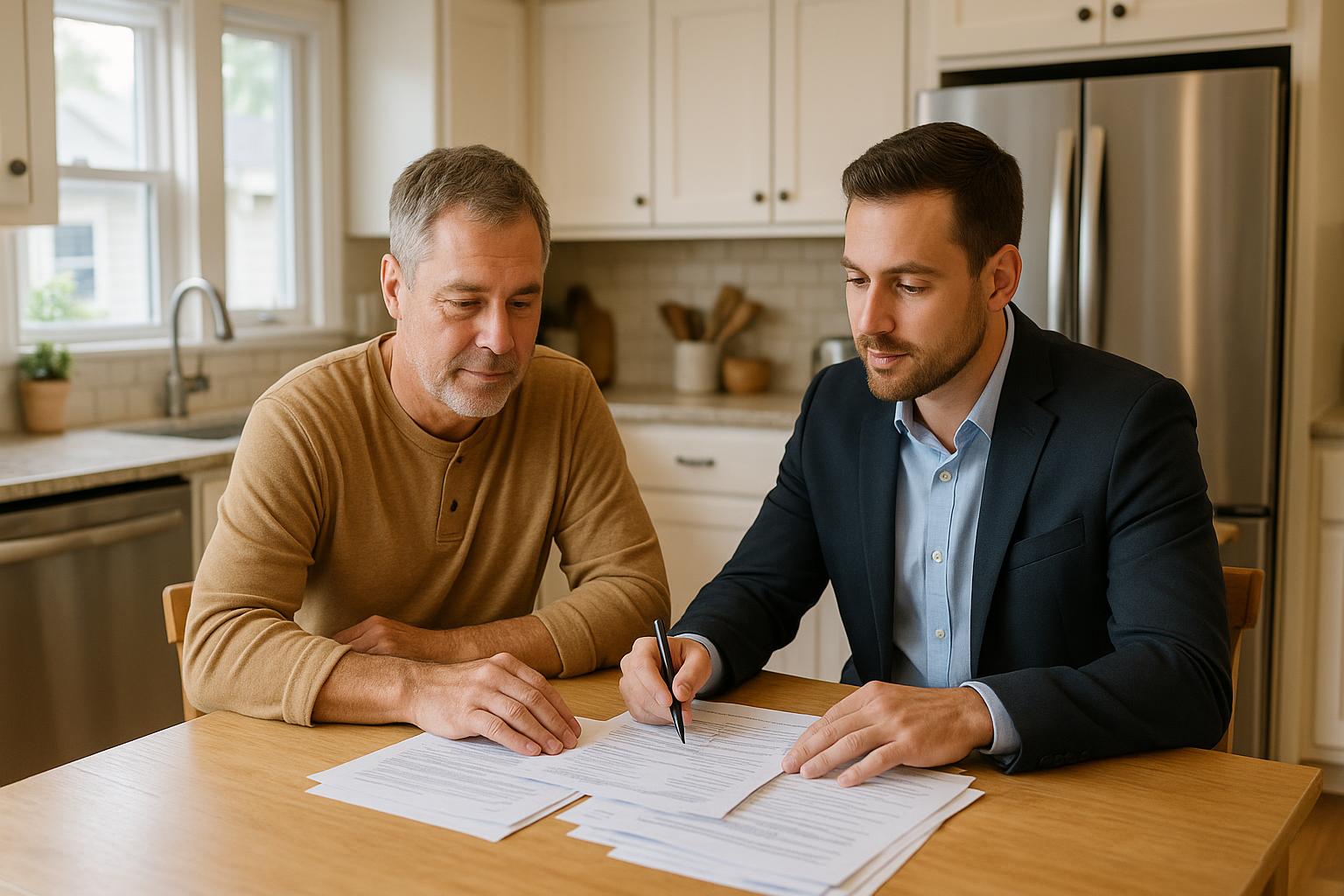
How do I handle buyer repair requests when selling my Grand Rapids home?
If you’re selling your Grand Rapids home and a buyer submits repair requests after the inspection, it can feel overwhelming and raise new questions. Repair requests can have a big impact on your sale, your timeline, and your next steps—so it’s important to know what to expect and how to respond.
Whether the requests involve minor fixes or bigger concerns, how you handle them can shape the rest of your transaction. Let’s walk through what’s happening, why it matters, and your practical options as a seller.
Quick Answer
When a buyer requests repairs after their inspection, you have options: agree, negotiate, offer credits, or decline. Your response can affect your timeline and sale terms.
It’s important to weigh the scope, urgency, and cost of the repairs, as well as your goals for the sale. If you’re dealing with this, I’m happy to walk through it with you.
Reviewing the Buyer’s Repair Requests
Once the inspection is complete, the buyer may send a list of requested repairs. These can range from safety concerns (like electrical or plumbing issues) to cosmetic items. Take time to review each request carefully and discuss them with your real estate professional before responding.
Consider whether the items are major or minor, if they could impact a future buyer if this deal falls through, and how they might affect your home’s appeal. Not every request has the same weight, and some may be negotiable.
Evaluating Your Options as a Seller
As the seller, you can choose how to respond to each request. Your options may include agreeing to some or all repairs, offering a credit or price adjustment instead of doing the work, or declining certain requests. What you choose depends on the nature of the repairs, your timeline, and your comfort level.
If the requested repairs are major, you may want to get estimates from qualified contractors before deciding. For minor items, sometimes a small credit is easier than coordinating repairs. Remember, the buyer can decide how to proceed based on your response, so it’s worth weighing the risk of a deal falling through against the cost and effort involved.
Want to Talk Through Your Situation?
If you’re facing buyer repair requests and aren’t sure what to do, let’s talk through your options before you respond.
Schedule a Seller Consultation or call/text 616-916-9770.
Negotiating Repairs, Credits, or Price Adjustments
After you review the requests, you may negotiate with the buyer. Some sellers prefer to offer a credit at closing or adjust the sale price instead of making repairs themselves. This can allow the buyer to handle the work after closing, on their own timeline.
If you agree to complete repairs before closing, be clear about which items you’re addressing, who will perform the work, and what documentation will be provided. Any agreement should be documented in writing and included as part of your contract addenda. If you’re unsure about how to document the agreement, ask your real estate professional for guidance.
Deciding Which Repairs to Complete (and Which to Decline)
It’s normal to feel pressure to say yes to every request, but you’re not required to do so. Prioritize repairs related to safety, major systems, or items that might come up for any buyer. Cosmetic fixes are more discretionary.
If you choose to decline certain requests, be prepared for the possibility that the buyer may walk away or ask for a different solution. Your decision should reflect your goals, your budget, and how quickly you want to move forward. Sometimes, sellers get a second opinion from a contractor before making a final call, especially if repair costs are uncertain.
Jason’s take: In my experience, repair requests can feel like a hurdle, but approaching them with a calm, businesslike mindset helps. One issue worth considering is whether the requested repairs would come up again if you had to re-list the property. Sometimes, addressing key concerns now can prevent future headaches, even if it means a little more effort up front.
Grand Rapids Seller Example
For example, imagine a Grand Rapids homeowner who receives a list of repair requests after the inspection. Some are related to electrical outlets and a plumbing leak, while others are cosmetic touch-ups. The seller reviews the list, discusses options with their agent, and gets estimates for the more technical repairs. They decide to offer a credit for the plumbing work and agree to fix the outlets, but decline the cosmetic requests. By evaluating each item and communicating clearly, the seller is better prepared to move forward and make decisions that match their goals and timeline.
Grand Rapids Seller Market Insight
One issue worth discussing is how the local Grand Rapids market and property type can affect repair negotiations. In my experience, homes with updated systems and fewer deferred maintenance items can be easier for buyers to evaluate and may generate fewer requests after inspection. Seasonal weather can also play a role—repairs involving roofing, exterior painting, or landscaping may be trickier in the winter months. Sellers may want to plan ahead for repairs that require specific weather conditions or contractor availability. The effect of repair requests can depend on the property’s condition, timing, and the specific terms negotiated in the offer.
Frequently Asked Questions About Selling in Grand Rapids
What happens if I refuse to make repairs requested by the buyer?
If you decline a buyer’s repair request, the buyer can choose whether to proceed with the purchase, negotiate further, or potentially walk away depending on the contract terms. Discuss your options with your real estate professional before responding.
Can I offer a credit instead of doing the repairs myself?
You may be able to offer a credit at closing or adjust the sale price, if the buyer agrees. The exact terms should be documented in writing and included in the final agreement.
How do I know which repairs are most important to address?
Focus on repairs that affect health, safety, or the home’s major systems. Cosmetic issues are usually less urgent. If you’re unsure, get advice from your agent or a qualified contractor.
Should I get my own contractor’s estimate for requested repairs?
Getting your own estimate can help you understand the potential cost and scope of work. This can also support your negotiations with the buyer about credits or price adjustments.
Related Grand Rapids Seller Resources
- How do I handle a buyer’s request for repairs after the inspection when selling my Grand Rapids home?
- How can I prepare my Grand Rapids home for sale to minimize inspection risks?
- What should I consider about pre-listing preparation when selling my Grand Rapids home?
Wondering What Your Grand Rapids Home Could Sell For?
Get a quick estimate of your home’s current value and a starting point for understanding where your property may fit in the market.

Industry Recognition
Jason is recognized by platforms and industry organizations including Zillow, Grand Rapids Magazine Real Estate All-Stars, and Real Producers for his work serving West Michigan buyers and sellers.
Jason also supports One More Moment, a nonprofit that grants wishes to adults with cancer, by donating $100 from every successful closing.
Professional Disclosure
Jason Pohlonski
Michigan Licensed Real Estate Salesperson
Verify Michigan License #6501386166
Brokerage: Keller Williams Grand Rapids East
Brokerage Office: 1555 Arboretum Dr. SE, Grand Rapids, MI 49546
Call or text: 616-916-9770
Schedule a 30-minute consultation
Email: jpohlonski@kw.com
This article reflects Jason’s experience working with homeowners, buyers, and sellers in Grand Rapids and surrounding communities at the time of publication. Real estate outcomes can vary depending on market conditions, property characteristics, pricing, buyer demand, financing terms, inspection results, appraisal results, and contract terms.
This article is for general informational purposes only and is not legal, tax, financial, insurance, engineering, inspection, appraisal, or property-condition advice. Sellers should confirm legal, tax, inspection, appraisal, title, disclosure, and property-specific questions with the appropriate qualified professionals.