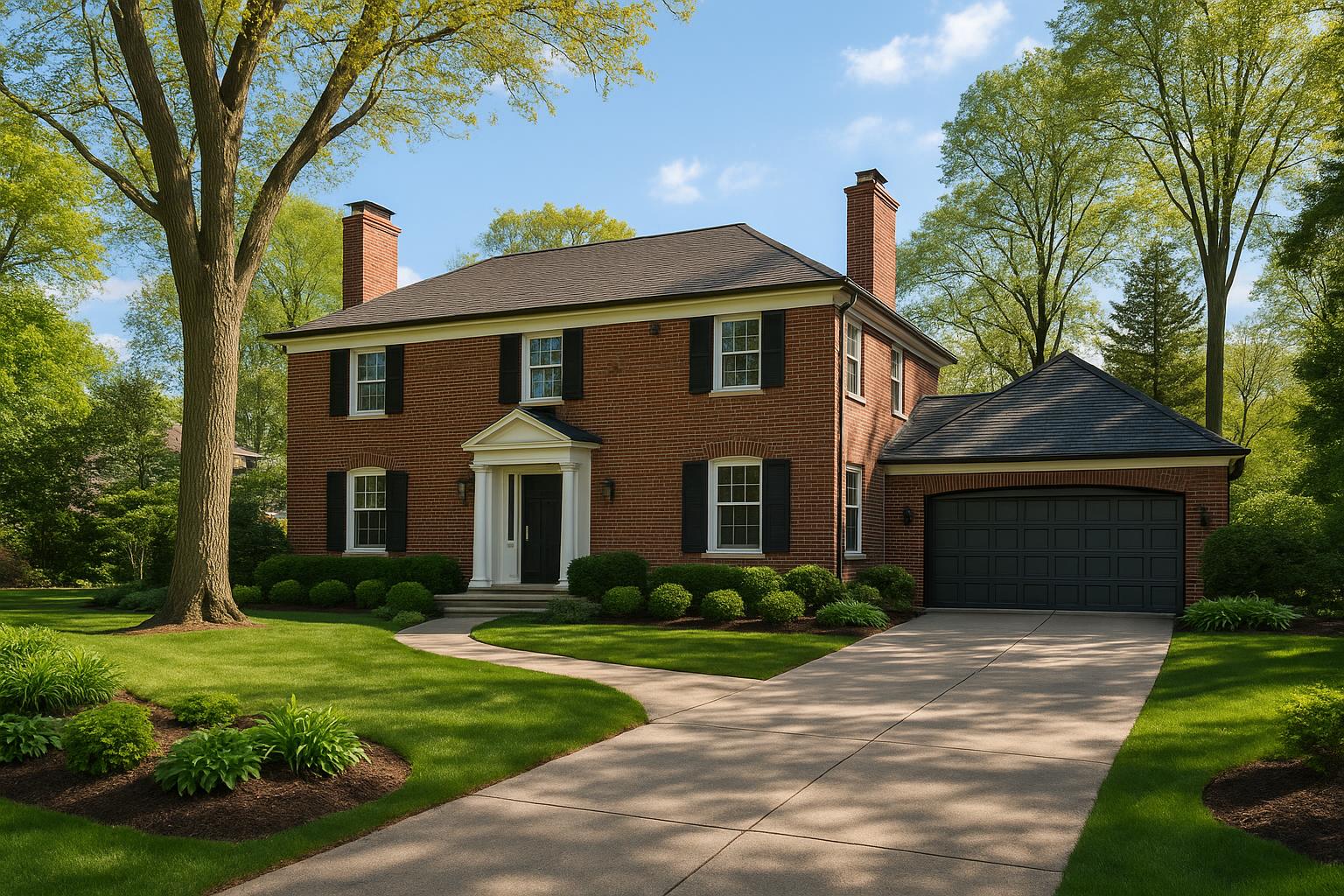
Avoid Pricing Pitfalls: List Your East Grand Rapids Home for Profit
When it comes to maximizing your East Grand Rapids home sale profit, timing and pricing are everything. Listing your property at the right moment—and with a price that aligns with local buyer demand—can mean the difference between a quick, competitive sale and weeks of price reductions or lowball offers. The key strategy for sellers in East Grand Rapids is to understand the rhythm of the local market, focus on micro-neighborhood demand, and price with precision based on recent sales and current buyer behavior.
Quick Answer
To avoid pricing pitfalls in East Grand Rapids, list your home when buyer demand peaks—typically late winter through spring—and set your price based on ultra-local sales trends, not just general market averages. Homes near Reeds Lake and Gaslight Village often receive early and aggressive offers if priced just below psychological thresholds (such as $900K or $1.5M). Overpricing—even by 2%—can lead to longer days on market and ultimately a lower net result.
Strategy 1: Timing Your Listing for Local Demand Surges
In East Grand Rapids, the spring market begins earlier than many realize. Serious buyers start shopping in late January and February, hoping to close before the end of the school year or summer at East Grand Rapids High School. By mid-April, the best-prepped homes can already be under contract, and buyers who missed out on early listings often become more aggressive with their offers.
Listing too late—especially after Memorial Day—means you risk missing the highest concentration of motivated buyers. In my experience, homes in Breton Downs and along Wealthy Street that hit the market in March or April consistently attract stronger buyer traffic and more competitive offers than those listed in mid-summer or fall. For sellers, coordinating your prep and launch to align with these demand surges is crucial for maximizing your sale price.
Strategy 2: Setting the Right Price—Not Just the Highest
Many East Grand Rapids sellers are tempted to “test the market” with an ambitious price, but this can backfire. In neighborhoods like Gaslight Village, where buyers are often watching specific streets and price points, setting your price just below a major threshold (such as $900K instead of $910K) can dramatically increase showing activity and create a sense of urgency.
Pricing a home at $899,900 instead of $915,000, for example, can place your listing in front of a larger pool of buyers searching under $900K, often resulting in multiple offers and a higher final sale price. The difference in buyer response between $10K increments can be significant in East Grand Rapids, where many buyers are relocating from out of area and have fixed search parameters. Reviewing recent comparable sales with a hyper-local lens is essential—don’t rely solely on automated valuations or broader Grand Rapids averages.
Strategy 3: Preparing for Buyer Expectations and Inspections
East Grand Rapids buyers, especially in the $500K–$2M range, expect updated systems, well-maintained exteriors, and move-in ready interiors. Homes near Reeds Lake or Gaslight Village often attract buyers who want turnkey properties and are willing to pay a premium for fresh paint, refinished floors, and modern kitchens and baths. Skimping on pre-listing improvements can lead to lower offers or tough negotiations after inspection.
Older homes—particularly those built before 1950—are subject to more detailed inspections and can trigger requests for costly repairs or credits. Being proactive with a pre-listing inspection and addressing obvious issues (roof, windows, HVAC) can give your home a competitive edge and reduce post-offer renegotiations. For more on preparing your home, see this curb appeal guide.
Strategy 4: Navigating Offers and Negotiation Timing
In competitive East Grand Rapids neighborhoods, it’s common for well-priced homes to receive strong offers within the first week—sometimes within the first 48 hours. The best strategy is to allow a brief window (2–4 days) for showings and then set an offer deadline. This approach gives buyers time to view and prepare their best offer, often leading to multiple bids and stronger contract terms.
However, if your home is still on the market after 10–14 days without a serious offer, it’s critical to reassess your pricing and marketing strategy. Promptly adjusting your price or offering buyer incentives can help you regain momentum before your listing goes stale. For weekly updates on what’s happening in the neighborhood, check the East Grand Rapids market report.
Real Seller Case Study
Last spring, I worked with sellers in the $1.1M–$1.2M range near Gaslight Village. We listed their renovated colonial just before spring break, pricing it at $1,195,000 based on recent sales and current inventory. Within three days, we had four showings and two strong offers—one at full price and one slightly above, with the higher offer waiving the appraisal contingency. By setting the price just below the $1.2M mark and launching ahead of the main rush, the sellers avoided overexposure and maximized their leverage in negotiations. The property closed in under 30 days, setting a new benchmark for the street.
East Grand Rapids Market Insight
One trend I’ve noticed in East Grand Rapids is that homes near Reeds Lake, especially those with updated kitchens and outdoor living spaces, often receive early offers—sometimes before the first open house. On the other hand, homes in Breton Downs attract more families looking for walkability to schools and parks, and these buyers tend to move quickly if a home is priced just under a major threshold. For sellers, understanding these micro-market dynamics is key to timing and pricing your home for the best possible outcome.
For additional market data, visit the East Grand Rapids Public Schools website to see how school calendars and district boundaries can influence buyer timing.
Frequently Asked Questions About Selling in East Grand Rapids
- When is the best month to list my East Grand Rapids home?
Late February through April typically delivers the highest buyer demand and strongest offers. - How important is pricing just below a major threshold?
Extremely important—pricing at $899,900 vs. $910,000 can increase showings and spark multiple offers. - What pre-listing improvements have the highest ROI?
Fresh paint, refinished floors, updated lighting, and landscaping consistently attract more buyers and higher offers. - How do inspection negotiations differ for older homes?
Buyers often request more repairs or credits for homes built before 1950, so proactive updates and disclosures are key.
Related East Grand Rapids Seller Resources
- Maximize Curb Appeal with Outdoor Upgrades in East Grand Rapids
- What Most Grand Rapids Sellers Realize About Market Timing
- East Grand Rapids Weekly Market Report
About the Author
Jason Pohlonski
is a Michigan licensed real estate salesperson specializing in strategic home sales in East Grand Rapids, Forest Hills, Ada, and surrounding West Michigan communities.
Jason began his real estate career in Chicago in 2004, later expanding his experience in Ann Arbor from 2014 to 2019, and has been serving clients in the Grand Rapids area since 2019.
With over 20 years of combined real estate experience across multiple markets, Jason focuses on pricing strategy, negotiation structure, and helping clients make confident decisions during complex transactions.
Jason is recognized by platforms and industry organizations including Zillow, Grand Rapids Magazine Real Estate All-Stars, and Real Producers for his work serving West Michigan buyers and sellers.
Professional Disclosure
Jason Pohlonski
Michigan Licensed Real Estate Salesperson
License Verification: Verify Michigan License #360538118
Brokerage: Keller Williams Grand Rapids East
📱 Call or text: 616-916-9770
📅 Schedule consultation:
https://calendly.com/pohlonskirealestate/30min
This article reflects real client experiences and market conditions in East Grand Rapids and surrounding communities at the time of publication.
Real estate outcomes can vary depending on market conditions, property characteristics, and buyer demand.