Why a Grand Rapids Seller Accepted a Contingent Offer Over Cash
When a Grand Rapids seller chose a contingent offer over a seemingly straightforward cash bid, the driving factor was more than just price—it was about certainty, flexibility, and the fit between the buyer’s needs and the seller’s timing. In this article, I’ll break down exactly why this choice was made, the framework behind it, and the real outcome for both parties.
Quick Answer
A Grand Rapids seller accepted a contingent offer instead of cash because the contingent buyer offered stronger terms, a flexible timeline, and a personal commitment that matched the seller’s needs. This strategy led to a successful closing with fewer surprises and less risk than the “all cash” alternative.
Strategy 1: Prioritizing Certainty Over Speed
Many sellers in Forest Hills and Grand Rapids are tempted by the speed and simplicity of a cash offer. However, the certainty of closing is not always guaranteed by cash alone. In the real-world case I’ll describe below, the seller received a cash offer with minimal contingencies—but the buyer was an investor planning a quick flip, which introduced more risk around inspection waivers and possible renegotiation after the initial offer.
By comparison, the contingent offer came from a local family already under contract to sell their own home in Ada Village. They provided documentation showing their buyer was fully approved and past inspection. The seller’s agent, after verifying these details, determined this “contingent” offer actually had a higher probability of closing on time than the cash bid, which could have fallen apart if the investor changed strategy or found an issue during due diligence.
Strategy 2: Evaluating Buyer Motivation and Flexibility
A key decision factor was the motivation and flexibility of the contingent buyer. In the Grand Rapids area, especially in neighborhoods near Forest Hills Central High School, it’s common for buyers moving within the district to be highly committed to closing. They’re not just chasing a deal—they’re moving for schools, community, and lifestyle.
The contingent buyer in this scenario offered the seller an extended occupancy, allowing the seller to coordinate their own move. The investor cash offer, in contrast, wanted immediate possession and little flexibility. This difference in motivation—family needs vs. investment flip—often leads sellers to favor a contingent offer if it comes with a clear path to closing and less disruption.
Strategy 3: Using a Decision-Making Framework for Offers
When weighing contingent vs. cash offers, I advise Grand Rapids and Forest Hills sellers to use a three-part rule of thumb: 1) Evaluate the likelihood the buyer can close on time, 2) Assess the strength of the buyer’s current home sale (if contingent), and 3) Consider the offer terms beyond price—such as occupancy, inspection flexibility, and earnest money.
In this case, the contingent buyer’s home sale was already past inspection and appraisal, so the risk of their deal falling through was low. The seller’s agent confirmed these details with the buyer’s agent and lender, which provided added confidence. This framework helped the seller avoid the common mistake of assuming cash is always king—sometimes, the right contingent offer is safer.
Strategy 4: Analyzing Offer Terms Beyond Price
Many sellers focus only on the top-line price, but terms like inspection waivers, earnest money, and occupancy can make a significant difference in the outcome. The investor’s cash offer in this Grand Rapids transaction included a low earnest money deposit and an aggressive inspection timeline, which could have put the seller at a disadvantage if issues arose.
The contingent buyer, meanwhile, offered a substantial earnest money deposit, a flexible inspection window, and was willing to work with the seller’s moving schedule. These terms reduced the seller’s stress and risk, making the overall offer package more attractive—even if it wasn’t technically “all cash.”
Real Seller Case Study: Forest Hills, $730K Range
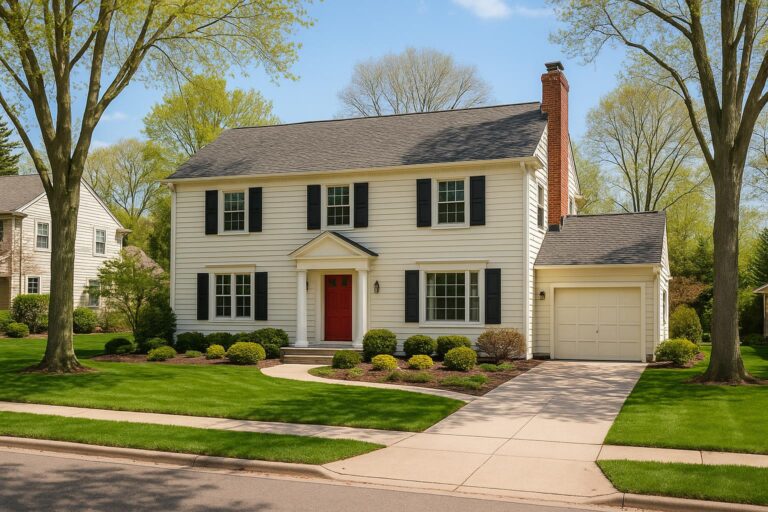
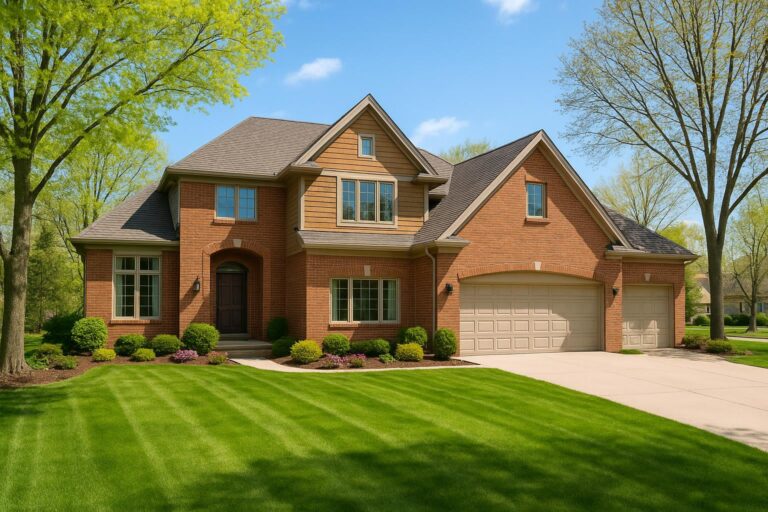
Last spring, I listed a home in Forest Hills near Cascade Township, priced in the $730,000 range. Within three days, we received two strong offers: a full-price cash bid from an out-of-state investor, and a contingent offer from a family relocating within Forest Hills. The cash buyer wanted a 10-day close, no inspection, and immediate possession. The family’s contingent offer was $5,000 above asking, with their home already pending sale in Ada Village.
The seller weighed the risk of the cash buyer backing out during due diligence versus the family’s contingent offer, which included a 30-day close, flexible occupancy, and a large earnest money deposit. After verifying the contingent buyer’s sale status (past appraisal and inspection), the seller accepted the contingent offer. The deal closed smoothly, and the seller was able to move on their timeline—proving that the right contingent offer can outperform cash, especially when the underlying terms are stronger.
Local Market Insight
Having represented sellers in Forest Hills, I’ve seen how homes zoned for Forest Hills Central often attract families already living in the district. These buyers are less likely to walk away, especially if their children are enrolled at Forest Hills Central or Northern. In contrast, investor cash buyers sometimes renegotiate aggressively after the inspection or use fast-close tactics that don’t always benefit the seller. Sellers can gain more leverage by understanding which buyer profile best aligns with their timeline and goals.
Frequently Asked Questions About Buying and Selling in West Michigan
- Is a cash offer always better for Forest Hills sellers?
Not necessarily—strong contingent offers with verified sale progress, higher earnest money, and flexible timelines can outperform cash if they better match the seller’s needs. - How can I verify a contingent buyer’s home sale status?
Ask your agent to request documentation showing the contingent buyer’s home is under contract, past inspection, and ideally past appraisal for added security. - Do Forest Hills homes attract more local or out-of-town buyers?
Both, but homes near Forest Hills Central or Cascade Township often draw families already in the district, while newer construction attracts relocation buyers from outside West Michigan. - Where can I find recent Grand Rapids market statistics?
You can review the latest data from the Greater Regional Alliance of REALTORS® for up-to-date trends in inventory, pricing, and days on market.
Related Real Estate Resources
- Avoid These Pricing Mistakes When Selling in Forest Hills
- Avoid Common Offer Evaluation Mistakes in East Grand Rapids
- Grand Rapids Buyer Won Home by Prioritizing Inspection Terms
About the Author
Jason Pohlonski
is a Michigan licensed real estate salesperson specializing in strategic home sales in East Grand Rapids, Forest Hills, Ada, and surrounding West Michigan communities.
Jason began his real estate career in Chicago in 2004, later expanding his experience in Ann Arbor from 2014 to 2019, and has been serving clients in the Grand Rapids area since 2019.
With over 20 years of combined real estate experience across multiple markets, Jason focuses on pricing strategy, negotiation structure, and helping clients make confident decisions during complex transactions.
Jason is recognized by platforms and industry organizations including Zillow, Grand Rapids Magazine Real Estate All-Stars, and Real Producers for his work serving West Michigan buyers and sellers.
Professional Disclosure
Jason Pohlonski
Michigan Licensed Real Estate Salesperson
License Verification: Verify Michigan License #360538118
Brokerage: Keller Williams Grand Rapids East
📱 Call or text: 616-916-9770
📅 Schedule consultation:
https://calendly.com/pohlonskirealestate/30min
This article reflects real client experiences and market conditions in Forest Hills School District and surrounding communities at the time of publication.
Real estate outcomes can vary depending on market conditions, property characteristics, and buyer demand.