How Jason Pohlonski Helps Forest Hills Buyers Evaluate Neighborhood Risks Before Making an Offer
When Forest Hills buyers walk into a promising home and begin imagining their life there, the excitement is real—but so are the questions about what could go wrong in the neighborhood. I’ve seen clients pause at the kitchen island, asking about everything from future development plans to the long-term resale outlook. This is the critical moment when buyers want to know what risks might be hiding beneath the surface, and it’s where I step in to offer honest, practical guidance based on real experience in the Forest Hills and greater Grand Rapids market.
Quick Answer
For buyers considering a home in Forest Hills, evaluating neighborhood risks before making an offer isn’t just about researching crime rates or school scores—it’s about understanding how location, traffic, development trends, and even subtle factors like changing commute patterns could impact the home’s value and daily life. My approach is to bring up these issues early, provide local context, and walk through the pros and cons based on what I’ve seen in recent transactions. It’s not about steering clients away from homes, but making sure they know exactly what they’re stepping into, whether it’s a cul-de-sac near Forest Hills Central or a street bordering future development.
Digging Deeper Than the Listing: What Buyers Miss at First Glance
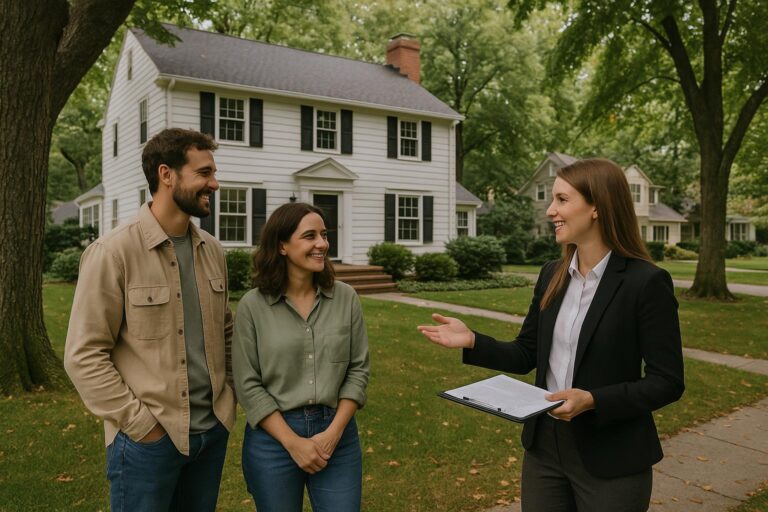
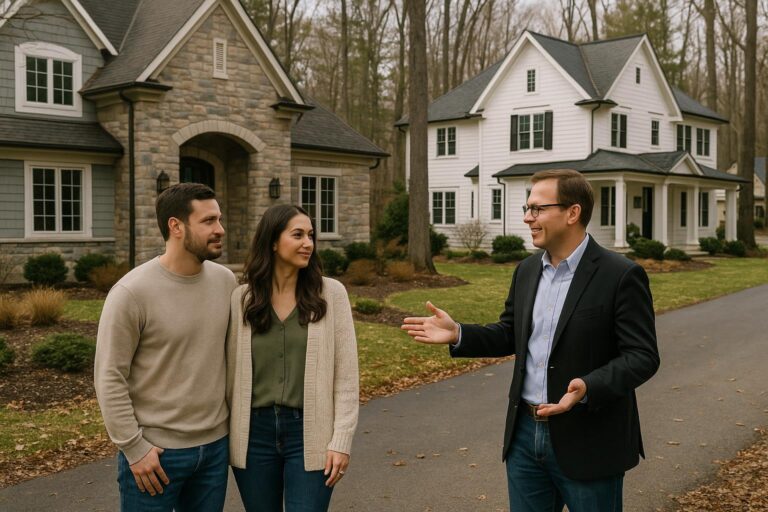
In Forest Hills, it’s easy to get swept up by curb appeal and the immaculate interiors of newer homes, especially in neighborhoods near schools like Forest Hills Central. But I often notice that buyers miss subtle cues on their first tour—like how a nearby road project could eventually increase traffic, or how certain lots may be more exposed to stormwater issues after heavy rains. A home can look perfect on paper, but the neighborhood itself is what determines long-term enjoyment and value.
During showings, I’ll point out details that don’t always make it into the listing: proximity to utility easements, the impact of nearby commercial development, or how a home’s location within the neighborhood affects both privacy and resale. These are the kinds of risks that don’t show up on a standard home search, but they matter. It’s not about alarming buyers, but helping them make a decision with eyes wide open.
Balancing Upside and Downside: The Honest Conversation
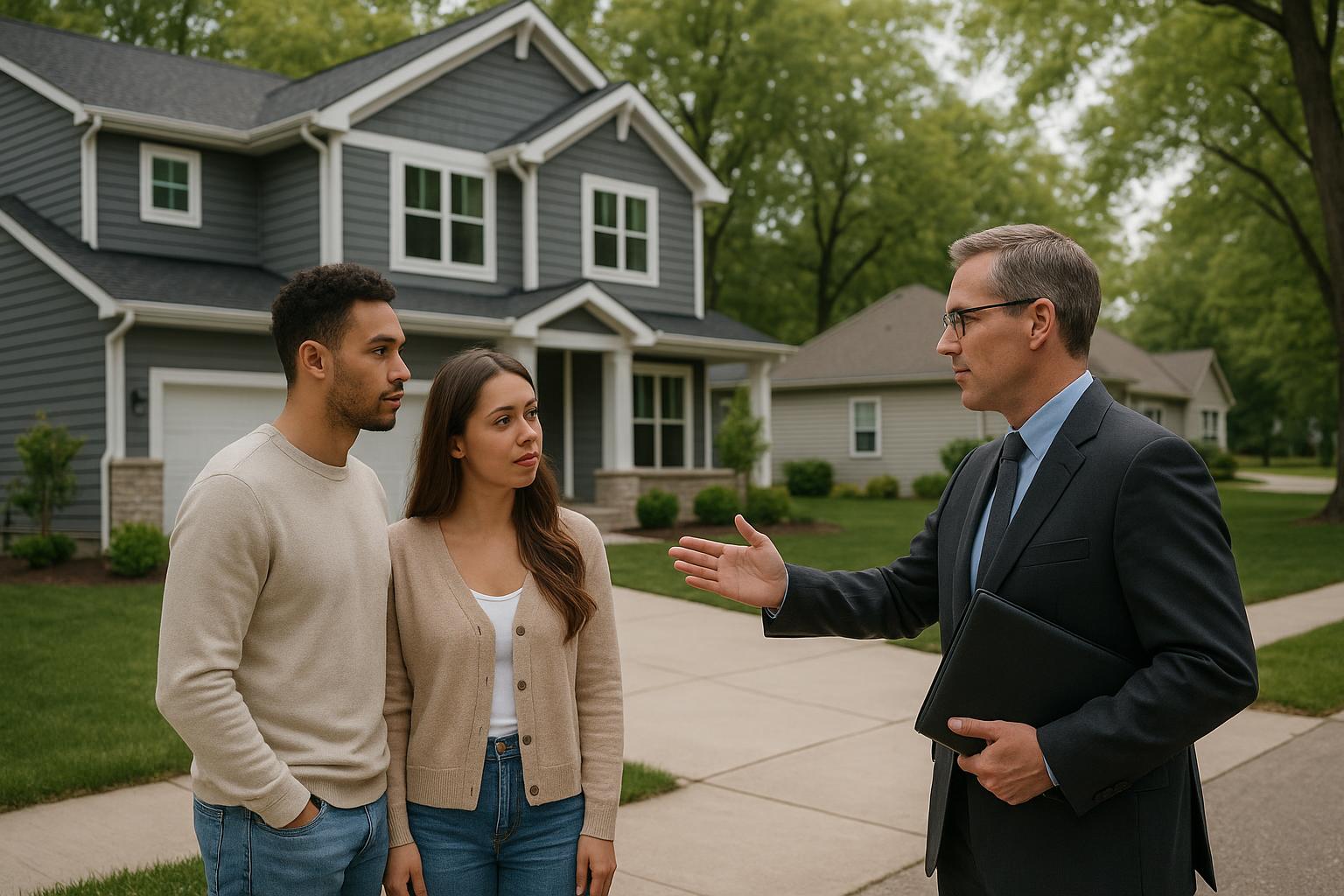
One of the most important things I do with Forest Hills buyers is lay out both the upside and the downside of a neighborhood. I’ve had buyers fall in love with a home near Ada Village, only to realize that the nearby planned retail could change the feel of their street in a few years. Sometimes, the upside is clear—walkability to Breton Downs Elementary, for example, is a strong driver for future resale. But there’s always a tradeoff, whether it’s traffic noise, HOA restrictions, or future zoning changes.
I make a point to have these conversations in a way that’s direct but never discouraging. Buyers appreciate knowing the whole picture, even if it means reconsidering a favorite home. In my experience, the clients who end up happiest are those who felt empowered to weigh the risks and make an informed decision, not just those who got swept up in the excitement of an offer.
Real-Time Market Context: How Risks Shift With the Market
Neighborhood risks aren’t static—they shift along with the Grand Rapids market. I’ve seen how rising demand for homes near East Grand Rapids High School has changed the calculation for buyers, making certain “border” locations more appealing than they were five years ago. In Forest Hills, the pace of new development and changing school boundaries can also create uncertainty.
I regularly update clients on what’s happening in Forest Hills and the surrounding areas, drawing from recent sales data, conversations with local planners, and firsthand observations. For example, a home that felt “too close” to a main road a few years ago might now be in higher demand due to new walking trails or improvements in traffic flow. The key is to view risk through a dynamic lens, not a static one.
Strategy in Action: Helping Clients Weigh Contingencies and Timing
A practical part of my job is helping buyers decide when it makes sense to include contingencies—or when a strong offer might require taking a calculated risk. In Forest Hills, it’s not uncommon for buyers to ask about waiving inspection or appraisal contingencies to win a competitive listing. I walk them through the potential risks, from unseen neighborhood issues to changes in school zoning or local taxes, and help them balance speed with protection.
In some cases, the right move is to take a pause and gather more information, even if it means risking the home to another offer. In others, I’ll help clients structure their offer in a way that protects their interests while still standing out. The strategy always comes back to understanding what’s actually at stake in the neighborhood, not just the four walls of the home.
Client Experience Story
Last fall, I worked with a young family searching in the $650,000–$750,000 range near Forest Hills Central. They were drawn to a home with beautiful updates, but had concerns about the traffic volume on an adjacent street and the potential for new development nearby. We talked through the neighborhood’s history, reviewed city planning documents, and even walked the area at different times of day. Ultimately, my clients decided to offer on a quieter street one block over, accepting a slightly smaller yard in exchange for peace of mind. A year later, they’ve told me how grateful they are for the tradeoff—they feel at home, and confident in their long-term investment.
What Clients Notice When Working With Jason
Clients often mention that my approach is rooted in transparency and directness. I don’t sugarcoat risks, nor do I try to “sell” a neighborhood just because it’s popular. Instead, I lay out the facts—good and bad—so buyers can make decisions that feel right for them. I find that clients appreciate having every angle explained, even if it means facing uncomfortable truths about a favorite property.
My communication style is calm and steady, especially during tense negotiations or when a deal feels uncertain. I make sure buyers have all the information they need, and I encourage them to ask hard questions. Whether we’re discussing the upside of walkability near Gaslight Village or the downside of future road expansion, my goal is always to keep the process grounded in reality. Clients have told me that this approach helps them stay calm and focused, knowing they’re never in the dark about what’s really at stake.
Grand Rapids Market Insight
A pattern I’ve observed in recent years is that homes with updated kitchens and baths in Forest Hills consistently attract stronger offers, but the final price is often determined by the neighborhood’s walkability and school proximity. For example, homes within walking distance of Breton Downs or Gaslight Village tend to see early interest—even if the interiors aren’t fully updated—because buyers value location and lifestyle just as much as finishes.
According to data from the National Association of Realtors, neighborhood quality and convenience remain top priorities for homebuyers across the U.S., and I see this play out every week with buyers in Forest Hills and the greater Grand Rapids area.
Frequently Asked Questions About Working With Jason
- How early do you discuss neighborhood risks with buyers?
I bring up potential risks during our very first showings, so clients have time to process and ask questions before making any decisions. - Do you help clients access local resources or city planning documents?
Yes, I regularly help clients review local development plans, zoning changes, and school boundary updates relevant to their home search. - How do you help buyers decide whether to waive contingencies?
We talk through the specific risks in the context of the neighborhood and current market, balancing speed with protection based on real transaction outcomes.
Related Articles About Working With Jason
- The Question Ada Buyers Often Ask Jason Pohlonski Before Waiving Contingencies
- Why Forest Hills Buyers Trust Jason Pohlonski When Comparing Homes Before Making an Offer
- Navigating Buyer Psychology: How East Grand Rapids Sellers Can Reduce Lowball Offers
About the Author
Jason Pohlonski
is a Michigan licensed real estate salesperson specializing in strategic home sales in East Grand Rapids, Forest Hills, Ada, and surrounding West Michigan communities.
Licensed since 2014, Jason has helped buyers and sellers navigate competitive markets across Ann Arbor, Chicago, and the Grand Rapids area. His work focuses on pricing strategy, negotiation structure, and helping clients make confident real estate decisions during complex transactions.
Jason is recognized by platforms and industry organizations including Zillow, Grand Rapids Magazine Real Estate All-Stars, and Real Producers for his work serving West Michigan buyers and sellers.
Industry Recognition
Jason Pohlonski has been recognized by respected industry and community organizations for his work serving buyers and sellers throughout the Grand Rapids area.

Top Agent on Zillow
Recognized for outstanding client experiences and verified reviews.

Grand Rapids Magazine Real Estate All-Star
Selected by local industry peers as one of West Michigan’s top real estate professionals.

Professional Disclosure
Jason Pohlonski
Michigan Licensed Real Estate Salesperson
License # 360538118
Brokerage: Keller Williams Grand Rapids East
 Call or text: 616-916-9770
jpohlonski@kw.com Schedule consultation:
https://calendly.com/pohlonskirealestate/30min
This article is intended for informational purposes and reflects market conditions in East Grand Rapids and surrounding communities at the time of publication.
Real estate outcomes can vary based on market conditions, property characteristics, and buyer demand.