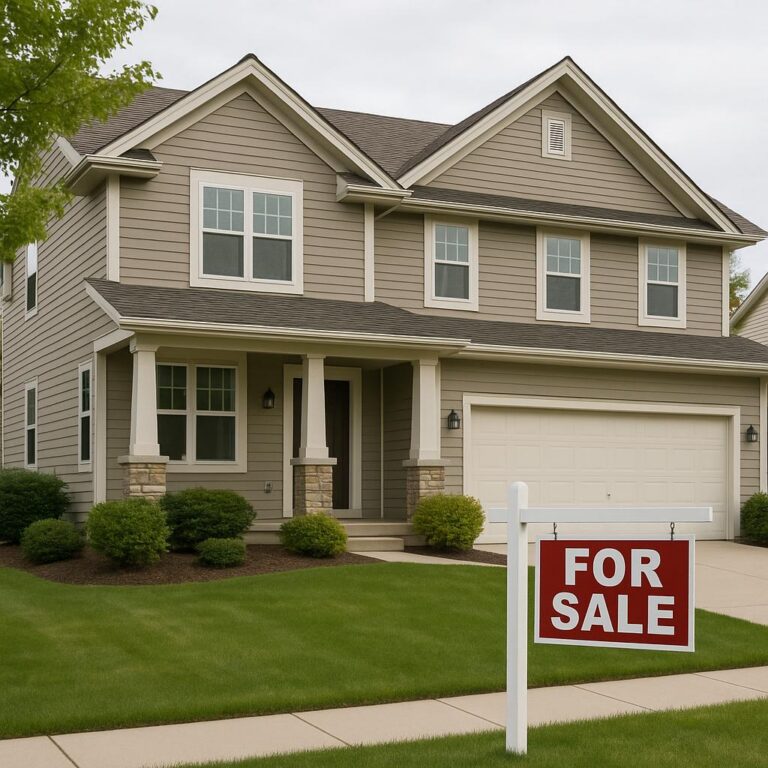
How do I handle possession after selling my Grand Rapids home if the buyer requests early occupancy?
When you’re selling your Grand Rapids home and the buyer asks to move in before closing—or before your planned move-out date—it can throw a wrench into your plans. You might be juggling your own moving timeline, purchase, or rental, and an early occupancy request brings up new questions about risk, insurance, and your next steps.
It’s a situation many Grand Rapids sellers face, especially in a market where buyers want to lock in their new home quickly. Deciding how to handle possession and move-out when a buyer requests early occupancy is a serious call, and it’s one you need to approach with both caution and clarity.
Quick Answer
If a buyer asks for early occupancy of your Grand Rapids home before closing, you are under no obligation to agree. Granting possession before you receive your sale proceeds carries risks—such as damage to the property, insurance complications, or the deal falling apart. If you do consider it, you’ll want a written early occupancy agreement, strong protections, and clear expectations for timelines, insurance, and deposits (NAR).
As a seller, your leverage is highest before keys change hands. If you’re unsure how to proceed, talk through the pros, cons, and protections with an experienced Grand Rapids listing agent. If you’re dealing with this, I’m happy to walk through it with you.
1. Deciding Whether to Allow Early Occupancy
The first step is deciding if you’re open to early occupancy at all. Most Grand Rapids sellers are hesitant—and for good reason. Allowing a buyer to move in before closing exposes you to risks you wouldn’t face with a standard possession timeline. These include possible property damage, the buyer’s financing falling through, or insurance coverage lapses. In some cases, the buyer’s lender may even prohibit early occupancy entirely (CFPB).
Jason’s take: I always advise sellers to default to “no” unless there’s a compelling reason. If you’re still living in the home or need time for your own move, you’re in control. Only consider early occupancy if you’re 100% comfortable with the buyer, their financing is solid, and all details are in writing. Remember, once a buyer is in, you lose much of your leverage to enforce contract terms or resolve problems.
2. Protecting Yourself With a Written Agreement
If you decide to consider early occupancy, never hand over keys without a detailed written agreement. This should cover the occupancy term, daily rate (often matching your holding costs), security deposit, utilities, maintenance, and insurance responsibilities. Your agent and a local real estate attorney can draft or review this agreement for you.
Jason’s take: I’ve seen sellers burned by handshake deals or vague promises. A formal early occupancy agreement is your best protection. Make sure it’s clear who pays for what, what happens if closing is delayed, and what recourse you have if something goes wrong. If the buyer’s lender has restrictions, get those in writing too. And always confirm your insurance coverage continues until closing and transfer of title.
3. Timing Your Move-Out and Managing Logistics
Granting early occupancy means you need to be out—or at least fully moved out of the agreed spaces—by the date possession changes hands. This can put pressure on your own moving plans, especially if your next home isn’t ready or your closing dates don’t line up perfectly. Build in a buffer for unexpected delays, such as title issues, last-minute lender requests, or moving company hiccups.
As the seller, you should document the home’s condition thoroughly with photos and a walkthrough checklist before the buyer moves in. This will protect you if there’s a dispute about damage or cleanliness later. If you’re storing belongings in the home during early occupancy, specify those details in writing.
4. Negotiating the Best Terms for Your Situation
Early occupancy is a negotiation point—don’t treat it as an obligation. If your listing is generating strong activity and multiple offers, you can simply say “no” to any early possession request. If your listing is lagging or the buyer is offering a premium price to secure early access, you may consider it, but only on your terms.
Set a fair occupancy fee that covers your mortgage, taxes, insurance, and utilities. Require a security deposit to cover potential damages or unpaid costs. Make it clear that the buyer is responsible for any issues during their early occupancy. And ensure the agreement spells out exactly what happens if the sale doesn’t close on time or falls through entirely.
Jason’s take:
I’ve helped Grand Rapids sellers negotiate daily rates, deposits, and strict occupancy rules that protected their interests. Don’t be afraid to push for what you need, and remember—protecting your downside is the priority, not just making the buyer happy.
Real Seller Case Study: Early Occupancy in Grand Rapids
One recent Grand Rapids seller I worked with received an offer from a buyer who needed early occupancy due to a lease ending. The seller was hesitant but wanted to keep the deal together. We negotiated a formal early occupancy agreement with a daily fee, required a $2,000 security deposit, and documented the home’s condition with detailed photos. The seller’s insurance company confirmed coverage through closing. When the buyer’s lender delayed closing by a week, the agreement protected the seller’s interests, and the extra fees helped cover their added costs. The transaction closed smoothly, and the seller left feeling protected and in control.
Grand Rapids Market Insight
In Grand Rapids, early occupancy requests tend to come up more in slower markets or when buyers face tight moving deadlines. Most sellers still prefer to transfer possession after closing, but some are willing to negotiate when it means getting the sale done or securing better terms. Sellers who plan ahead and insist on proper agreements avoid most of the common pitfalls.
Frequently Asked Questions About Selling in Grand Rapids
- Do I have to allow early occupancy if a buyer requests it?
No, you are never required to allow early occupancy. It’s completely your choice and should only be considered with strong protections in place. - How do I protect myself if I agree to early occupancy?
Use a formal agreement, require a security deposit, confirm your insurance coverage, and document the property’s condition before possession changes hands. - What if the buyer’s financing falls through after early occupancy?
If the sale doesn’t close, you could be left with someone living in your home who isn’t the legal owner. That’s why strong written agreements and deposits are essential, and it’s wise to consult a real estate attorney before agreeing to early occupancy. - Can I charge a fee for early occupancy?
Yes, sellers typically charge a daily rate that covers their carrying costs, plus a security deposit for any damage or unpaid utilities during the early occupancy period.
Related Resources
- When Should I List My Grand Rapids Home?
- Can I Sell My Grand Rapids Home As-Is?
- What Happens If My Grand Rapids Home Appraises Low?
About the Author
Jason Pohlonski
is a Michigan licensed real estate salesperson with Keller Williams Grand Rapids East. He helps buyers and sellers throughout Grand Rapids, East Grand Rapids, Forest Hills, Ada, Byron Center, Jenison, Cascade, and surrounding West Michigan communities.
Jason began his real estate career in Chicago in 2004, later expanding his experience in Ann Arbor from 2014 to 2019, and has been serving clients in the Grand Rapids area since 2019.
With over 20 years of combined real estate experience across multiple markets, Jason focuses on helping clients make clear real estate decisions involving pricing, offer terms, inspections, appraisals, relocation timing, and buy-sell planning.
Industry Recognition
Jason is recognized by platforms and industry organizations including Zillow, Grand Rapids Magazine Real Estate All-Stars, and Real Producers for his work serving West Michigan buyers and sellers.
Jason also supports One More Moment, a nonprofit that grants wishes to late-stage cancer patients, by donating $100 for every successful closing.
Professional Disclosure
Jason Pohlonski
Michigan Licensed Real Estate Salesperson
License Verification: Verify Michigan License #6501386166
Brokerage: Keller Williams Grand Rapids East
Brokerage Office: 1555 Arboretum Dr. SE, Grand Rapids, MI 49546
📱 Call or text: 616-916-9770
📅 Schedule consultation:
https://calendly.com/pohlonskirealestate/30min
📧 Email: jpohlonski@kw.com
This article reflects real client experiences and market conditions in Grand Rapids and surrounding communities at the time of publication. Real estate outcomes can vary depending on market conditions, property characteristics, buyer demand, financing terms, inspection results, appraisal results, and lender requirements.
This article is for general informational purposes only and is not legal, tax, financial, insurance, engineering, inspection, or floodplain determination advice. Buyers and sellers should consult qualified professionals before making decisions involving financing, insurance, inspections, taxes, legal issues, or property risk.