How do I handle a failed inspection when selling my Grand Rapids home?
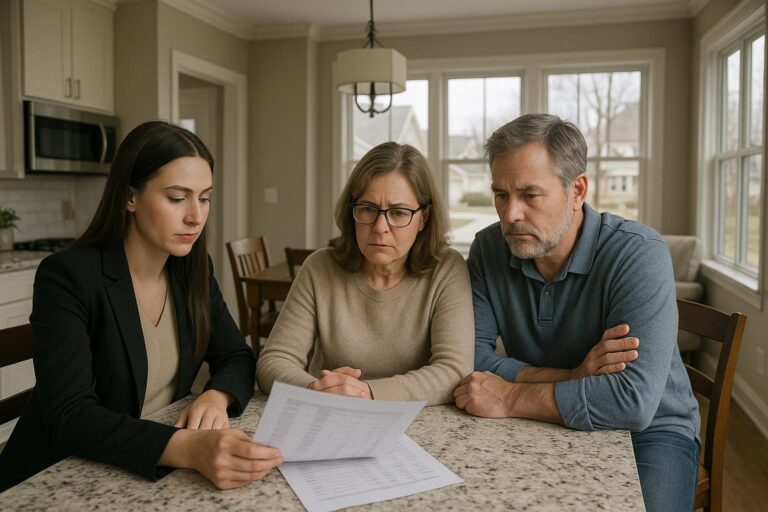
When you’re selling your Grand Rapids home and the inspection doesn’t go as planned, it can feel like the whole sale is at risk. Instead of moving smoothly toward closing, you’re suddenly faced with a list of repairs, new negotiations, and decisions that could impact your bottom line. For many sellers, a failed inspection is one of the most stressful points in the process—especially if you’re on a tight timeline or already under contract on your next place.
What you do next matters. Handling a failed inspection is about more than just making repairs or refusing requests; it’s about understanding your leverage, the local market, and how to protect your sale (and sanity) as you move forward.
Quick Answer
If your Grand Rapids home fails inspection, you aren’t required to fix everything, but you do need to decide how to respond to repair requests, price negotiations, or even a buyer walking away. Your options include making repairs, offering credits, re-negotiating terms, or relisting if the deal falls apart. The best move depends on the severity of the issues, your timeline, and how the market is responding to homes like yours.
Each situation is unique, and your strategy should fit your goals and the realities of the Grand Rapids market. If you’re dealing with this, I’m happy to walk through it with you.
1. Assessing the Inspection Report: What Matters Most
The first step is to review the inspection report calmly and objectively. Not all failed inspections are deal-breakers—some issues are minor, while others might impact the buyer’s ability to get financing or insurance. Focus on items that affect the home’s safety, structure, or systems, since these are most likely to cause concern for future buyers or trigger loan problems (Consumer Financial Protection Bureau).
Jason’s take: “I recommend prioritizing health, safety, and lender-required repairs. Cosmetic items can often be negotiated, but major defects need a clear plan.”
If the report includes high-cost repairs (like roof, foundation, or electrical), get quotes from licensed contractors right away. This gives you leverage in negotiations and helps you decide if making repairs or offering credits is smarter for your sale.
2. Deciding Whether to Make Repairs or Negotiate
Once you know what’s on the table, decide if you’ll address the issues directly, offer a price reduction, or stand firm. In Grand Rapids, the decision often depends on your timeline, the competition, and how much leverage you have with the buyer’s financing type (National Association of Realtors).
Jason’s take: “If the market is hot and your home is in a desirable neighborhood, you may have more room to negotiate. But if showings have slowed or your buyer is using FHA/VA financing, lender-required repairs can’t be ignored.”
Be realistic about what’s worth fixing. Sometimes, offering a credit or price reduction saves time and stress, especially if you need to close quickly or don’t want to manage contractors. But for issues that could scare off future buyers, addressing them up front can help avoid a repeat scenario.
3. Protecting Your Sale (and Next Steps if the Deal Falls Apart)
If the buyer requests repairs or credits, review your contract’s inspection contingency and timelines. Respond promptly and professionally, even if the requests seem unreasonable. If you can’t reach an agreement, the buyer may walk—but that doesn’t mean your sale is doomed.
When a deal falls apart, use what you’ve learned. Update your disclosure, adjust your pricing or repair strategy, and re-enter the market better prepared. Sometimes, relisting after a failed inspection leads to a stronger, more qualified buyer who’s comfortable with your home’s current condition or is willing to accept it as-is.
4. Repositioning Your Listing for the Grand Rapids Market
If you decide not to make repairs, be upfront in your listing about what’s been found and adjust your price accordingly. Homes with known issues can still sell quickly if priced right and marketed honestly. Some buyers—including investors and cash buyers—are willing to accept inspection risks for the right deal.
Jason’s take: “Transparency is key. If you’re upfront about a failed inspection, you’ll attract buyers who are prepared for what they’re getting—and avoid wasted time on another failed deal.”
Consider offering a pre-listing inspection for the next round, so you control the narrative and set realistic expectations from the start.
Real Seller Case Study
A Grand Rapids seller I worked with recently accepted an offer quickly, only to have the inspection turn up several electrical and plumbing issues. The buyer requested a long list of repairs and a substantial price reduction. The seller was anxious to move, but didn’t want to spend weeks managing contractors. We got quotes from local professionals, compared the repair costs to the buyer’s requests, and offered a reasonable credit at closing instead of doing the work. The buyer agreed, and the sale closed on time. By staying proactive and flexible, the seller avoided a costly delay and still protected their bottom line.
Grand Rapids Market Insight
In the Grand Rapids market, sellers who address major inspection concerns up front or offer fair credits tend to see smoother closings—even in a competitive environment. Homes that re-enter the market after a failed inspection often attract more serious buyers the second time around, especially when the seller can show transparency and a willingness to work toward solutions.
Frequently Asked Questions About Selling in Grand Rapids
- What if I can’t afford to make repairs after a failed inspection?
You can offer credits or adjust your price instead of making repairs. Some buyers may accept the home as-is, especially if they see value or are using conventional financing. - Does a failed inspection always kill the deal?
No. Most inspection issues can be negotiated. The outcome depends on the buyer’s flexibility, your willingness to negotiate, and the terms in your contract. - Should I relist my home after a deal falls apart due to inspection?
If the issues are fixable, consider addressing them before relisting. If not, update your disclosures and adjust your pricing strategy to attract buyers comfortable with the current condition. - Will inspection problems impact my home’s value?
Major issues can affect value, but many buyers will look past minor problems if the price reflects the condition. Being transparent can help avoid further negotiation headaches.
Related Resources
- Can I Sell My Grand Rapids Home As-Is?
- Should I Fix Things Before Selling in Grand Rapids?
- What Happens If My Grand Rapids Home Appraises Low?
About the Author
Jason Pohlonski
is a Michigan licensed real estate salesperson with Keller Williams Grand Rapids East. He helps buyers and sellers throughout Grand Rapids, East Grand Rapids, Forest Hills, Ada, Byron Center, Jenison, Cascade, and surrounding West Michigan communities.
Jason began his real estate career in Chicago in 2004, later expanding his experience in Ann Arbor from 2014 to 2019, and has been serving clients in the Grand Rapids area since 2019.
With over 20 years of combined real estate experience across multiple markets, Jason focuses on helping clients make clear real estate decisions involving pricing, offer terms, inspections, appraisals, relocation timing, and buy-sell planning.
Industry Recognition
Jason is recognized by platforms and industry organizations including Zillow, Grand Rapids Magazine Real Estate All-Stars, and Real Producers for his work serving West Michigan buyers and sellers.
Jason also supports One More Moment, a nonprofit that grants wishes to late-stage cancer patients, by donating $100 for every successful closing.
Professional Disclosure
Jason Pohlonski
Michigan Licensed Real Estate Salesperson
License Verification: Verify Michigan License #6501386166
Brokerage: Keller Williams Grand Rapids East
Brokerage Office: 1555 Arboretum Dr. SE, Grand Rapids, MI 49546
📱 Call or text: 616-916-9770
📅 Schedule consultation:
https://calendly.com/pohlonskirealestate/30min
📧 Email: jpohlonski@kw.com
This article reflects real client experiences and market conditions in Grand Rapids and surrounding communities at the time of publication. Real estate outcomes can vary depending on market conditions, property characteristics, buyer demand, financing terms, inspection results, appraisal results, and lender requirements.
This article is for general informational purposes only and is not legal, tax, financial, insurance, engineering, inspection, or floodplain determination advice. Buyers and sellers should consult qualified professionals before making decisions involving financing, insurance, inspections, taxes, legal issues, or property risk.