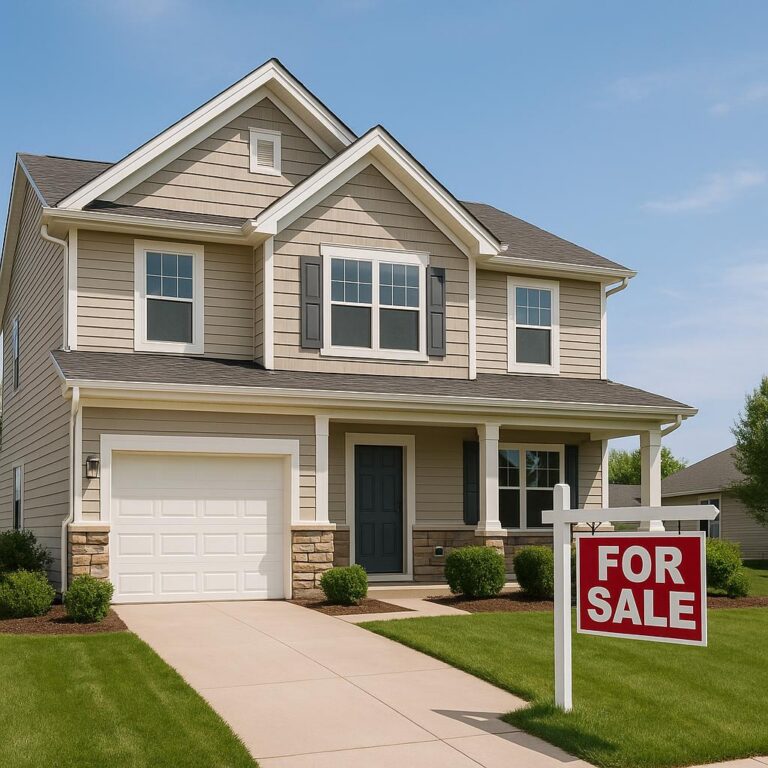
What should I consider about the condition of my Grand Rapids home before listing it for sale?
When you’re getting ready to sell your home in Grand Rapids, the condition of your property will play a major role in how quickly it sells, the price you can command, and what kind of offers you receive. Many sellers wonder if they need to tackle repairs, upgrades, or deep cleaning—or if it’s possible to list “as-is” and still meet their goals. Understanding what matters most about your home’s condition before you list can set you up for a smoother, more predictable sale.
Quick Answer
Before listing your Grand Rapids home, it’s essential to objectively evaluate its current condition. This means looking at needed repairs, cosmetic updates, and any major issues that could affect your price, the speed of your sale, or the strength of your offers.
While not every repair or upgrade is necessary, some issues will impact your leverage when negotiating or even your ability to close. If you’re weighing what to fix or skip, I’m happy to walk through it with you.
1. Pricing Your Home Based on Its Current Condition
Your list price should reflect your home’s true condition. If your Grand Rapids home is move-in ready, with updated systems and minimal repairs needed, you can often command top dollar. On the other hand, if your home has outdated finishes, visible wear, or deferred maintenance, pricing it too high may result in little to no activity.
Jason’s take: I’ve seen homes sit for weeks simply because the list price didn’t account for obvious condition issues. The market in Grand Rapids tends to move quickly on homes that are priced accurately for their condition, even if they aren’t perfect.
A professional agent will help you compare recent sales of similar homes and adjust for differences in updates, repairs, or features. According to NAR research, accurate pricing is the #1 factor in a home’s time on market. If the listing isn’t generating activity, it’s usually a sign that either price or perceived value (often tied to condition) needs to be addressed.
2. Deciding Which Repairs or Updates Are Worth Doing
Not every home needs a full renovation before listing, but some repairs make a real difference. Issues like roof leaks, electrical problems, or broken appliances can lead to appraisal or financing issues for the buyer, resulting in delays or even failed closings. On the other hand, minor cosmetic flaws (like scuffed paint or dated fixtures) can be reflected in your price or addressed with a simple refresh.
Jason’s take: In Grand Rapids, I often advise sellers to focus on high-impact repairs—like addressing water intrusion or safety issues—over cosmetic upgrades. Sometimes, a deep clean and a weekend of touch-ups can make your home feel ready, while expensive renovations may not provide a solid return.
If you’re unsure which repairs are necessary, a pre-listing inspection can help you identify potential deal-breakers early. This also gives you more control in negotiations, rather than being surprised after a buyer’s inspection. The Consumer Financial Protection Bureau recommends understanding your home’s condition before listing to avoid costly surprises later.
3. Positioning Your Home for the Right Buyer Pool
The way your home shows in photos and in-person walkthroughs is directly tied to its condition. Cleanliness, neutral smells, and uncluttered spaces make a strong first impression and often drive more showings and stronger offers. Homes that are clean and well-maintained—even if not fully updated—tend to attract better-qualified buyers and face fewer appraisal or inspection objections.
If the market isn’t responding or your listing isn’t getting showings, it’s time to re-evaluate how your home presents. Sometimes a quick staging consult or a decluttering session can make a major difference. Jason’s take: I’ve seen Grand Rapids sellers get multiple offers just by investing a few hundred dollars in professional cleaning and simple staging.
Remember, the goal isn’t perfection—it’s to show that your home has been cared for and is ready for its next owner. Small investments in appearance and maintenance can pay off with a smoother transaction and better offer terms.
4. Understanding How Condition Impacts Offer Terms and Closing
The condition of your home can affect not just price, but also the types of offers you receive and your ability to close on time. Well-maintained homes often attract buyers using conventional loans, which typically come with fewer repair-related contingencies. Homes with more issues may appeal to cash buyers or investors, but often at a lower price point.
If your home has significant condition concerns, you may see more inspection or appraisal negotiations, requests for credits, or delayed closings. In Grand Rapids, some sellers choose to sell “as-is” and price accordingly, but it’s important to weigh the impact on your net proceeds and timeline.
Jason’s take: If you need to sell quickly and don’t want to tackle repairs, be prepared for a smaller pool of buyers and possibly more aggressive negotiation. On the other hand, if you address key repairs upfront, you’ll likely see smoother transactions and more attractive offers.
Real Seller Case Study
A Grand Rapids homeowner reached out after their home sat on the market for three weeks with little activity. The home was structurally sound but had several cosmetic issues—scuffed floors, worn paint, and outdated light fixtures. After reviewing feedback and re-evaluating the listing, we decided to invest less than $1,000 in fresh paint, updated fixtures, and a deep clean. We also adjusted the list price slightly to reflect the home’s true condition. Within five days of relaunching, the seller received two strong offers and closed above the new asking price. Small, targeted improvements combined with accurate pricing changed the outcome dramatically.
Grand Rapids Market Insight
In the current Grand Rapids market, well-maintained homes consistently see stronger showing activity and more reliable closings, even if they aren’t fully updated. Sellers who address obvious repairs and present their home in clean, move-in-ready condition typically see the best results. Overpriced or neglected listings tend to linger, requiring price reductions or repair credits to finally sell.
Frequently Asked Questions About Selling in Grand Rapids
- Do I need to fix everything before listing my Grand Rapids home?
No, but addressing safety, functional, or major cosmetic issues can help you sell faster and for more. Minor flaws can often be reflected in your price. - Can I sell my Grand Rapids home “as-is”?
Yes, but expect to attract a smaller pool of buyers and potentially lower offers. You’ll need to price accordingly and be prepared for negotiation around repairs. - How will my home’s condition affect the appraisal?
Major issues can lower your appraised value or trigger lender-required repairs. Clean, well-maintained homes tend to appraise at or near contract price. - Should I get a pre-listing inspection?
A pre-listing inspection isn’t required, but it can help you identify and address deal-breaking issues before buyers see them, making negotiations smoother.
Related Resources
- Can I Sell My Grand Rapids Home As-Is?
- Should I Fix Things Before Selling in Grand Rapids?
- What If My Grand Rapids Home Appraises Low?
About the Author
Jason Pohlonski
is a Michigan licensed real estate salesperson with Keller Williams Grand Rapids East. He helps buyers and sellers throughout Grand Rapids, East Grand Rapids, Forest Hills, Ada, Byron Center, Jenison, Cascade, and surrounding West Michigan communities.
Jason began his real estate career in Chicago in 2004, later expanding his experience in Ann Arbor from 2014 to 2019, and has been serving clients in the Grand Rapids area since 2019.
With over 20 years of combined real estate experience across multiple markets, Jason focuses on helping clients make clear real estate decisions involving pricing, offer terms, inspections, appraisals, relocation timing, and buy-sell planning.
Industry Recognition
Jason is recognized by platforms and industry organizations including Zillow, Grand Rapids Magazine Real Estate All-Stars, and Real Producers for his work serving West Michigan buyers and sellers.
Jason also supports One More Moment, a nonprofit that grants wishes to late-stage cancer patients, by donating $100 for every successful closing.
Professional Disclosure
Jason Pohlonski
Michigan Licensed Real Estate Salesperson
License Verification: Verify Michigan License #6501386166
Brokerage: Keller Williams Grand Rapids East
Brokerage Office: 1555 Arboretum Dr. SE, Grand Rapids, MI 49546
📱 Call or text: 616-916-9770
📅 Schedule consultation:
https://calendly.com/pohlonskirealestate/30min
📧 Email: jpohlonski@kw.com
This article reflects real client experiences and market conditions in Grand Rapids and surrounding communities at the time of publication. Real estate outcomes can vary depending on market conditions, property characteristics, buyer demand, financing terms, inspection results, appraisal results, and lender requirements.
This article is for general informational purposes only and is not legal, tax, financial, insurance, engineering, inspection, or floodplain determination advice. Buyers and sellers should consult qualified professionals before making decisions involving financing, insurance, inspections, taxes, legal issues, or property risk.