What happens after I accept an offer on my Grand Rapids home?
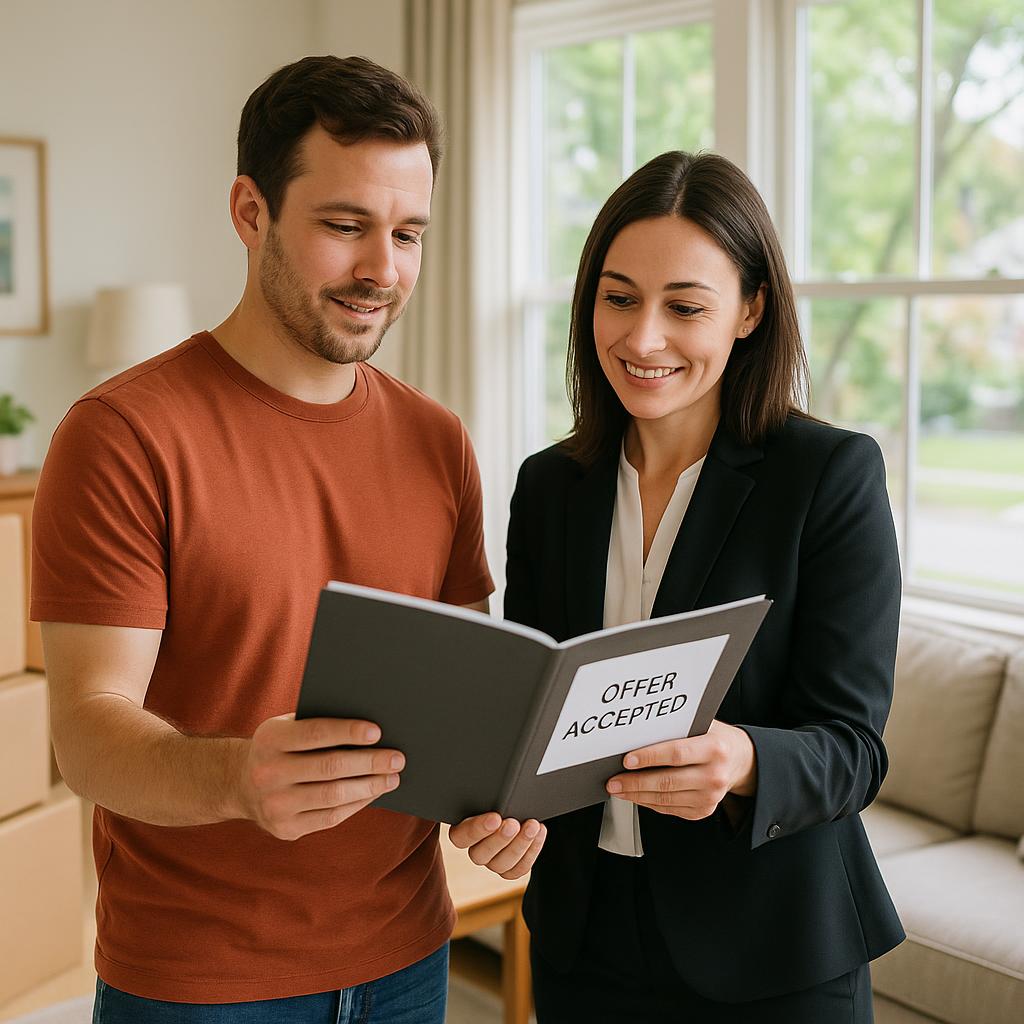
When you accept an offer on your Grand Rapids home, it’s a huge milestone—your listing has attracted the right response, and you’re now officially under contract. But accepting an offer doesn’t mean your work is done. The next few weeks are critical, as you navigate inspections, appraisals, contingencies, and closing logistics, all of which can affect your timeline and your bottom line.
For Grand Rapids sellers, understanding what happens after you accept an offer is the key to avoiding surprises, making smart decisions, and keeping your move on track. Knowing what to expect allows you to plan, adjust if issues arise, and finish strong.
Quick Answer
After you accept an offer on your Grand Rapids home, your property moves into the “pending” phase. During this time, you’ll typically handle the inspection, appraisal, any negotiated repairs or credits, and finalize all required paperwork leading up to closing. The contract’s contingencies—like inspection and financing—must be cleared before you officially hand over the keys.
Your agent will guide you through each step, but it’s wise to stay proactive, responsive, and prepared for possible curveballs. If you’re dealing with this right now, I’m happy to walk through it with you.
1. Navigating the Inspection Period
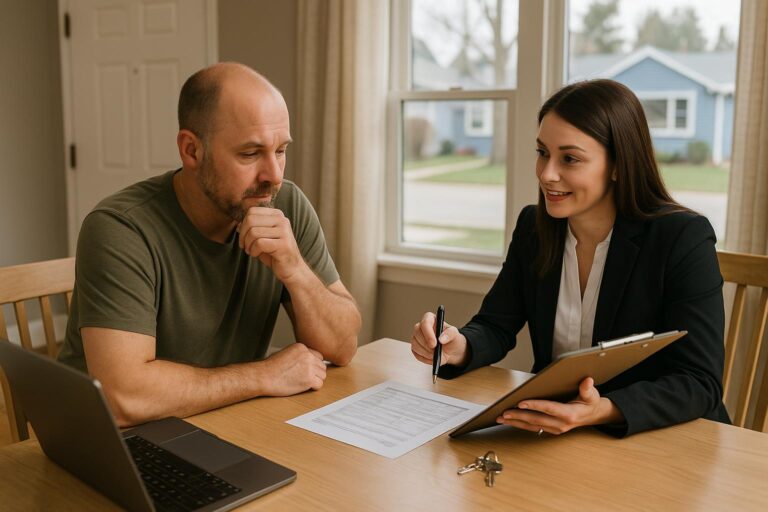
Once your offer is accepted, the first major milestone is usually the home inspection. The buyer typically schedules this within a week. As a seller, you’ll need to keep your home accessible, tidy, and ready for the inspector’s walkthrough. Inspections can uncover issues—even in well-maintained homes—so it’s important to mentally prepare for possible repair requests or negotiations.
Jason’s take: “Proactive sellers often review their home’s condition before listing. But even so, the inspection might turn up surprises. Be ready to evaluate which repairs are reasonable and what you’re willing to negotiate.”
If the inspection results in repair requests, you’ll need to decide whether to make the repairs, offer a credit, or stand firm. Your agent can help you weigh the risks of each option, especially if your contract allows the buyer to walk away over certain findings. For more on inspection contingencies, see this guide from the Consumer Financial Protection Bureau.
2. Understanding the Appraisal Process
If the buyer is using a mortgage, an appraisal is usually required by their lender. The appraisal’s purpose is to confirm that the contract price is supported by recent comparable sales in Grand Rapids. If the appraised value comes in at or above the agreed price, things move forward smoothly.
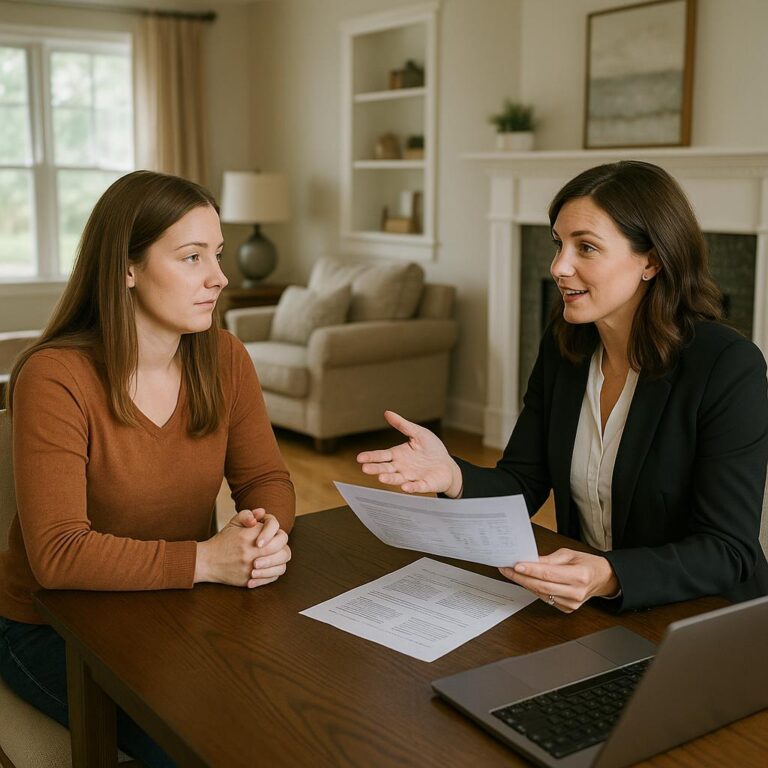
However, if the appraisal comes in low, you may need to negotiate—this could mean lowering your price, asking the buyer to make up the difference in cash, or, in some cases, the deal could fall apart. Jason’s take: “I always help sellers review comparable sales and prepare for the appraisal, but the outcome isn’t always predictable. Having a strategy for low appraisals is essential.” Learn more about appraisals from Fannie Mae’s appraisal guide.
Your agent should communicate with the appraiser about recent improvements and competitive offers, when possible, to help support your contract price.
3. Monitoring Buyer Financing and Contingencies
During this phase, the buyer’s lender works to finalize their loan approval. As the seller, you want to know that the buyer’s financing is solid, since a weak pre-approval or last-minute loan issues can derail a sale. Your agent should keep tabs on deadlines, communicate with the buyer’s lender or agent, and let you know if there are signs of trouble.
This is also when other contingencies—such as the buyer selling their own home, or reviewing HOA documents—must be met. If the buyer can’t satisfy a contingency, you may have to relist your home or re-negotiate terms. Jason’s take: “I always track contingency deadlines on a calendar and check in regularly. Staying ahead of issues protects your timeline and leverage.”
If the contract falls through due to financing or other contingencies, you’ll want to quickly assess whether to re-activate your listing, adjust your price, or address any feedback from showings.
4. Preparing for Closing Day and Possession
As you approach closing, you’ll work with your agent and title company to complete all required paperwork, resolve any outstanding issues, and plan your move. In Grand Rapids, it’s common for sellers to provide “possession after close”—a short period to move out after closing—which should be negotiated upfront and confirmed in writing.
You’ll also want to confirm the final walk-through date, utility transfer, and your closing statement to ensure all credits and costs are correct. Jason’s take: “Double-check your closing documents and don’t hesitate to ask questions. Errors can delay funding, but a little diligence keeps things on track.”
On closing day, you’ll sign your documents (often at the title office or remotely), hand over keys, and receive your proceeds as soon as the transaction is funded and recorded.
Grand Rapids Seller Case Study
Recently, I worked with a Grand Rapids seller who accepted a strong offer above asking price. The inspection uncovered a few minor electrical issues. Instead of losing momentum, the seller quickly consulted a licensed electrician and provided receipts for the repairs, which satisfied the buyer. Later, the appraisal came in exactly at the contract price. Because we’d prepared documentation on upgrades and recent comparable sales, there were no surprises. The seller closed on time and secured their preferred move-out date. Their responsiveness and willingness to address issues head-on made all the difference.
Grand Rapids Market Insight
In the Grand Rapids market, most sellers can expect the process from offer acceptance to closing to take 30 to 45 days, assuming no major issues arise. However, sellers who stay organized, communicate proactively, and address small problems early are the ones who achieve the smoothest outcomes. I’m seeing more sellers ask for flexible possession terms, and those who prepare for the inspection and appraisal up front tend to avoid last-minute stress.
Frequently Asked Questions About Selling in Grand Rapids
- How long does it usually take to close after accepting an offer?
Most Grand Rapids home sales close in 30–45 days, but this can vary based on buyer financing, inspection repairs, and title work. - What happens if the buyer’s inspection finds problems?
You’ll have the chance to negotiate repairs, offer a credit, or decline requests. Your agent can help you decide what’s reasonable for your situation. - Can I stay in my house after closing?
Possession after closing is negotiable in Grand Rapids. If you need extra time to move, discuss this with your agent before finalizing the contract. - What if the buyer’s financing falls through?
If the buyer can’t get their loan, you may need to relist or consider backup offers. Your agent will help you evaluate your next steps quickly.
Related Resources
- What If My Grand Rapids Home Appraises Low?
- Can I Stay After Selling My Grand Rapids Home?
- Should I Fix Things Before Selling in Grand Rapids?
About the Author
Jason Pohlonski
is a Michigan licensed real estate salesperson with Keller Williams Grand Rapids East. He helps buyers and sellers throughout Grand Rapids, East Grand Rapids, Forest Hills, Ada, Byron Center, Jenison, Cascade, and surrounding West Michigan communities.
Jason began his real estate career in Chicago in 2004, later expanding his experience in Ann Arbor from 2014 to 2019, and has been serving clients in the Grand Rapids area since 2019.
With over 20 years of combined real estate experience across multiple markets, Jason focuses on helping clients make clear real estate decisions involving pricing, offer terms, inspections, appraisals, relocation timing, and buy-sell planning.
Industry Recognition
Jason is recognized by platforms and industry organizations including Zillow, Grand Rapids Magazine Real Estate All-Stars, and Real Producers for his work serving West Michigan buyers and sellers.
Jason also supports One More Moment, a nonprofit that grants wishes to late-stage cancer patients, by donating $100 for every successful closing.
Professional Disclosure
Jason Pohlonski
Michigan Licensed Real Estate Salesperson
License Verification: Verify Michigan License #6501386166
Brokerage: Keller Williams Grand Rapids East
Brokerage Office: 1555 Arboretum Dr. SE, Grand Rapids, MI 49546
📱 Call or text: 616-916-9770
📅 Schedule consultation:
https://calendly.com/pohlonskirealestate/30min
📧 Email: jpohlonski@kw.com
This article reflects real client experiences and market conditions in Grand Rapids and surrounding communities at the time of publication. Real estate outcomes can vary depending on market conditions, property characteristics, buyer demand, financing terms, inspection results, appraisal results, and lender requirements.
This article is for general informational purposes only and is not legal, tax, financial, insurance, engineering, inspection, or floodplain determination advice. Buyers and sellers should consult qualified professionals before making decisions involving financing, insurance, inspections, taxes, legal issues, or property risk.