Is Offering Over Asking Price Risky in Grand Rapids?
When you’re buying a home in Grand Rapids, it’s common to wonder if offering over the asking price is too risky or simply the cost of getting the house you want. In today’s market, offering above asking can be a smart move—but only if you understand the specific risks and know how to protect yourself. The key is making sure your offer is competitive without exposing yourself to unnecessary financial surprises or regrets.
Quick Answer
In Grand Rapids, offering above asking price is often necessary in competitive neighborhoods, especially in the $250,000–$400,000 range. The main risks are overpaying compared to recent sales or running into issues if the home doesn’t appraise at your offer price.
Buyers can minimize risk by using appraisal gap clauses, reviewing recent comparable sales, and setting a clear walk-away number. If you’re weighing this decision, I’m happy to walk through local comps and offer strategies with you.
Know When Over Asking Makes Sense
Not every Grand Rapids home is going to a bidding war, but certain areas—like East Grand Rapids, Forest Hills, and parts of Wyoming or Kentwood—often see multiple offers. In these neighborhoods, well-maintained homes priced below $400,000 frequently receive several bids within the first few days. In these cases, offering above asking is almost required if you want to be a contender.
Jason’s take: “I’ve seen buyers miss out by sticking too close to list price, especially on homes in top-rated school districts. In the most sought-after pockets, ‘asking price’ is just the starting line.” Before you consider going over, look at how long the house has been on the market, how many offers are in play, and whether the seller is holding an offer deadline. If you’re one of several buyers, a strong offer is your best shot.
Understand the Appraisal Gap Risk
When you offer over asking, the biggest risk is that the home won’t appraise for your contract price. Lenders will only finance up to the appraised value, so if there’s a gap, you’re on the hook to cover the difference in cash. In Grand Rapids, appraisal gaps are most common when buyers stretch for a popular property or when list prices are set intentionally low to drive competition.
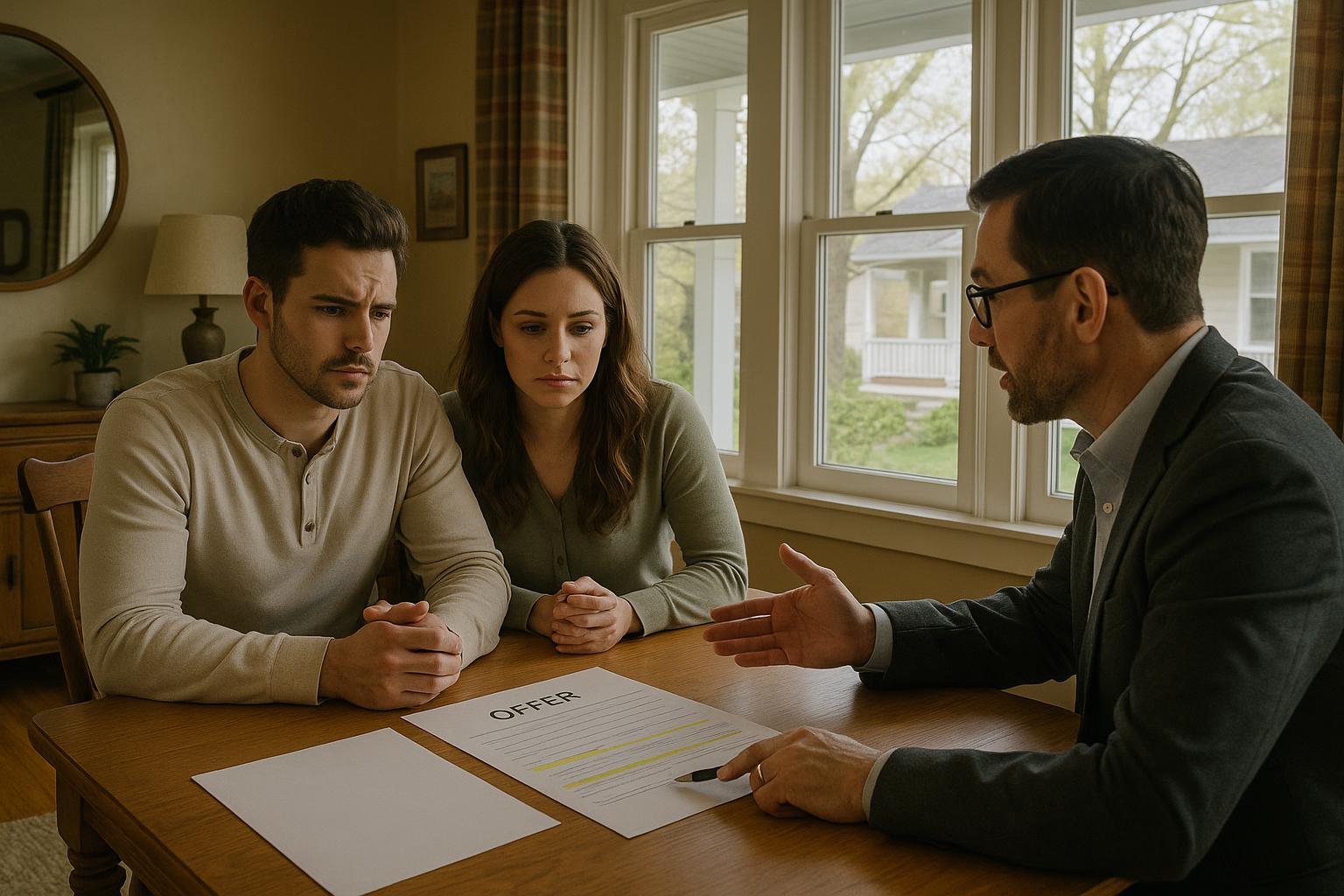
To protect yourself, consider including an “appraisal gap clause.” This states how much over the appraised value you’re willing to bring to closing. For example, if you offer $325,000 and the home appraises at $315,000, your clause can specify you’ll cover up to $10,000 of any gap. This makes your offer stronger but also sets a limit so you don’t get in over your head.
Use Comparable Sales as Your Guide
Before offering above asking, always review the most recent comparable sales (“comps”) in the neighborhood. In Grand Rapids, comps from the past 30 to 60 days are most relevant, especially given how quickly prices can move. Focus on similar home size, age, and features within a half-mile radius. If you’re working with a local agent, they should pull a full report and help you interpret it.
Jason’s take: “I always walk buyers through the latest comps before making an offer. If the numbers support going over, it’s usually a calculated risk. If not, we think twice.” Relying on comps keeps your offer grounded in reality, even when emotions run high. West Michigan market data from Greater Regional Alliance of REALTORS® is a great resource for tracking trends.
A Practical Rule of Thumb for Grand Rapids Buyers
A practical decision-making framework is to set your “maximum justified price” before you submit an offer. This is the highest number you’d feel comfortable paying, based on comps, your financial comfort zone, and how much you’d regret missing the house. If a bidding war pushes the price beyond this number, it’s a sign to walk away.
For most Grand Rapids buyers, this means reviewing the top three comparable sales, calculating the average price per square foot, and then adding a premium if the house is move-in ready or has unique features. Don’t forget to factor in your cash reserves for any possible appraisal gap. If you need to stay within a tight budget, talk with your agent about how to structure your offer so you’re protected—don’t let the excitement push you past your limit.
Real Buyer Case Study
Last spring, I worked with a first-time buyer targeting the Alger Heights area in the $275,000 price range. The home they loved had six competing offers within two days. We offered $10,000 over asking with a $5,000 appraisal gap clause, based on strong comps and the buyer’s comfort zone. The home appraised at asking price, so the buyer paid a bit more out of pocket, but secured the house and beat out higher offers that had no appraisal protection. The key was knowing their walk-away number and sticking to it.
Grand Rapids Buyer Market Insight
In the current Grand Rapids market, I’m seeing buyers in the $300,000–$400,000 range get especially aggressive with appraisal gap coverage, particularly in Forest Hills and East Grand Rapids. Homes in top school districts are often attracting 5–10 offers, and buyers willing to bridge the appraisal gap—even partially—are the ones most likely to win. Conversely, in outlying areas or with homes on the market more than 10 days, there’s often room to negotiate below asking.
Frequently Asked Questions About Buying in Grand Rapids
-
Is it always necessary to offer above asking in Grand Rapids?
No, but it’s common for move-in ready homes in popular neighborhoods, especially if there are multiple offers or an offer deadline. -
What happens if the appraisal comes in low?
You may need to renegotiate or bring extra cash to closing. Appraisal gap clauses can help clarify your risk upfront. -
How much over asking should I offer?
It depends on recent comps, the number of competing offers, and your comfort with the appraisal gap. Your agent can help analyze what’s justified. -
Can I back out if I feel I’ve overpaid?
If you have inspection or appraisal contingencies, you may be able to exit. Once those are waived, it’s much harder to walk away without losing your deposit.
Related Grand Rapids Buyer Resources
- Why Production Matters When Choosing a Grand Rapids Realtor
- What to Do If You Need to Move Before Closing in Grand Rapids
- Grand Rapids Weekly Market Report: May 17, 2026
About the Author
Jason Pohlonski
is a Michigan licensed real estate salesperson specializing in strategic home sales in East Grand Rapids, Forest Hills, Ada, and surrounding West Michigan communities.
Jason began his real estate career in Chicago in 2004, later expanding his experience in Ann Arbor from 2014 to 2019, and has been serving clients in the Grand Rapids area since 2019.
With over 20 years of combined real estate experience across multiple markets, Jason focuses on pricing strategy, negotiation structure, and helping clients make confident decisions during complex transactions.
Jason is recognized by platforms and industry organizations including Zillow, Grand Rapids Magazine Real Estate All-Stars, and Real Producers for his work serving West Michigan buyers and sellers.
Professional Disclosure
Jason Pohlonski
Michigan Licensed Real Estate Salesperson
License Verification: Verify Michigan License #360538118
Brokerage: Keller Williams Grand Rapids East
📱 Call or text: 616-916-9770
📅 Want a quick second opinion before you make a move?
Schedule a quick 30-minute call
This article reflects real client experiences and market conditions in Grand Rapids and surrounding communities at the time of publication.
Real estate outcomes can vary depending on market conditions, property characteristics, and buyer demand.