Grand Rapids Property Taxes: What Every Buyer Should Know
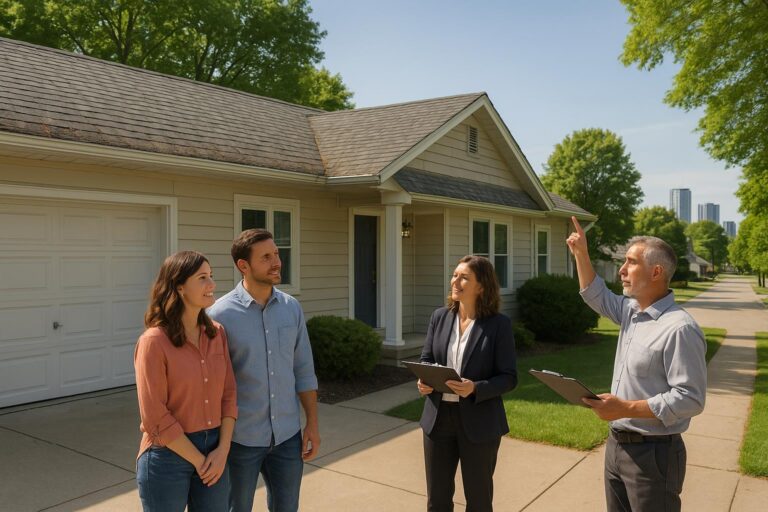
Understanding Grand Rapids property taxes is essential for home buyers because these costs have a direct impact on your monthly payment and long-term affordability. Most buyers focus on price and mortgage rates, but your property tax bill in Grand Rapids can shift your budget by hundreds per month. Knowing how local taxes work lets you shop confidently, spot hidden costs, and avoid surprises at closing.
In Grand Rapids, property taxes are based on your home’s assessed value and the local millage rate. This means your tax bill can vary widely depending on the neighborhood, school district, and even the timing of your purchase. The key strategy: don’t just estimate taxes based on the current owner’s bill—look ahead to what you’ll actually pay after you buy.
Quick Answer
Grand Rapids property taxes are determined by multiplying your home’s taxable value by the local millage rate. After you buy, your taxable value is “uncapped” and reset to the home’s purchase price, often resulting in a higher tax bill than the seller’s.
Always request a current tax estimate from your agent or the local assessor before making an offer. This helps you budget accurately and avoid payment shocks after closing. If you need help running numbers for a specific property, I’m happy to walk through it with you.
Strategy 1: Know How Taxable Value Resets After You Buy
The most common surprise for Grand Rapids buyers is the “uncapping” of taxable value. When a home changes hands, Michigan law resets the taxable value to the sale price the following year. This often means your first full year’s tax bill will be higher than what the seller paid, especially if the home hasn’t sold in several years.
Jason’s take: “I always advise buyers to ignore the seller’s current tax bill and use the expected purchase price as a baseline for estimating their own taxes. In Grand Rapids, that adjustment can be a few hundred dollars per year—or much more if the seller owned the home a long time.”
Strategy 2: Calculate the True Monthly Payment With Taxes
Property taxes are a required part of your monthly payment, especially if you’re escrowing taxes and insurance with your lender. In Grand Rapids, the combined city, county, and school millages can push your annual tax bill above $4,000 on a $300,000 home. To avoid budget shocks, add estimated taxes to your principal and interest when comparing homes.
Many buyers underestimate how taxes can affect their buying power. For example, a $500/month tax bill is equivalent to roughly $70,000 in extra borrowing power at current interest rates. Knowing this, you might choose a slightly lower price point to keep your monthly costs predictable.
Strategy 3: Compare Neighborhood Millage Rates and School Districts
Millage rates aren’t the same in every Grand Rapids neighborhood. Certain school districts and special assessments can make a difference of $1,000 or more per year on homes with similar values. For instance, Kent County posts annual millage rates by municipality and school district—always check before committing to a neighborhood.
Jason’s take: “I see buyers who prioritize top school districts like Forest Hills or East Grand Rapids, but they’re sometimes surprised by the higher millage rates. It’s smart to run a side-by-side tax comparison on any home you’re considering, especially if you’re weighing multiple neighborhoods.”
Strategy 4: Use the Principal Residence Exemption to Lower Your Bill
If you plan to live in your Grand Rapids home as your primary residence, you’re eligible for the Principal Residence Exemption (PRE), which can reduce your school tax burden significantly. Make sure to file the PRE form right after closing—missing this step can cost you hundreds in extra taxes for the year.
A practical rule of thumb: As soon as you close, double-check with the local assessor’s office that your PRE is on file. Most buyers in Grand Rapids qualify, but if you’re relocating from out of state or buying a second home, you might not. This exemption is one of the best tools for lowering your annual property tax bill.
Real Buyer Case Study
Last spring, I worked with a couple relocating from Chicago who bought a $375,000 home in the Alger Heights neighborhood. The listing showed taxes at just $3,000/year, but the sellers had owned the home since 2007. We ran a new estimate based on the purchase price, which pushed the expected tax bill to $4,200 after uncapping. We factored that into their monthly budget and negotiated a slight price reduction to help offset the higher taxes. By planning ahead, they avoided an unpleasant surprise and stayed within their comfort zone.
Grand Rapids Buyer Market Insight
In today’s Grand Rapids market, I’m seeing buyers in the $300,000–$450,000 range become much more tax-conscious, especially in neighborhoods with higher millage rates or recent assessments. Many buyers will ask for detailed tax breakdowns before writing an offer, and it’s common to see clients compare several school districts based on both educational quality and property tax impact. For buyers aiming for specific districts like Forest Hills or East Grand Rapids, factoring taxes into your max price is a key move to stay competitive.
Frequently Asked Questions About Buying in Grand Rapids
- How is my Grand Rapids property tax calculated?
Your tax is calculated by multiplying your home’s taxable value by the local millage rate. After purchase, the taxable value is reset to your sale price. - Do property taxes go up every year?
Taxes can increase each year, but annual increases are capped until you sell. After a sale, the taxable value is “uncapped” and can jump to match your purchase price. - What is the Principal Residence Exemption (PRE)?
The PRE is a reduction in your property taxes if the home is your primary residence. File with the local assessor to ensure you get the exemption. - Are property taxes higher in certain Grand Rapids neighborhoods?
Yes. Neighborhoods with higher millage rates or special assessments—often tied to specific school districts—can have noticeably higher tax bills.
Related Grand Rapids Buyer Resources
- Typical Closing Costs for Buyers in Grand Rapids
- East Grand Rapids Housing Market Outlook 2026
- Avoiding Low Appraisals for Grand Rapids Sellers
About the Author
Jason Pohlonski
is a Michigan licensed real estate salesperson specializing in strategic home sales in East Grand Rapids, Forest Hills, Ada, and surrounding West Michigan communities.
Jason began his real estate career in Chicago in 2004, later expanding his experience in Ann Arbor from 2014 to 2019, and has been serving clients in the Grand Rapids area since 2019.
With over 20 years of combined real estate experience across multiple markets, Jason focuses on pricing strategy, negotiation structure, and helping clients make confident decisions during complex transactions.
Jason is recognized by platforms and industry organizations including Zillow, Grand Rapids Magazine Real Estate All-Stars, and Real Producers for his work serving West Michigan buyers and sellers.
Professional Disclosure
Jason Pohlonski
Michigan Licensed Real Estate Salesperson
License Verification: Verify Michigan License #360538118
Brokerage: Keller Williams Grand Rapids East
📱 Call or text: 616-916-9770
📅 Want a quick second opinion before you make a move?
Schedule a quick 30-minute call
This article reflects real client experiences and market conditions in Grand Rapids and surrounding communities at the time of publication.
Real estate outcomes can vary depending on market conditions, property characteristics, and buyer demand.