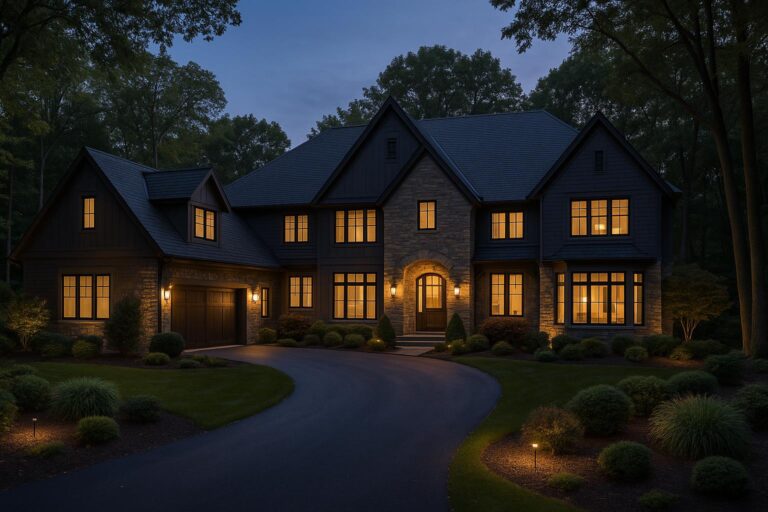
How Weather Shapes Home Inspections in Grand Rapids
When scheduling a home inspection in Grand Rapids, buyers need to know that our weather has a direct impact on what inspectors can—and can’t—evaluate. Rain, snow, and extreme temperatures can limit access to roofs, foundations, and key exterior elements, often leaving some inspection items “TBD” until conditions improve. Understanding how seasonal changes affect inspections helps buyers set realistic expectations, time their offers wisely, and avoid costly surprises after closing.
Quick Answer
Weather in Grand Rapids can restrict home inspectors from checking roofs, driveways, and foundations if there’s snow, ice, or heavy rain. This means certain issues—like roof leaks or grading problems—might go undetected during your inspection, especially in late fall through early spring.
Buyers should always ask inspectors what could not be evaluated due to weather and consider negotiating for a post-closing holdback or a follow-up inspection. If you’re facing this situation, I’m happy to walk through your options in detail.
Timing Your Inspection to the Grand Rapids Climate
In Grand Rapids, the time of year can make or break your inspection experience. From November through March, snow and ice often cover roofs, decks, and driveways. Inspectors can’t safely walk these surfaces or see underlying issues, which means problems like missing shingles, roof leaks, or cracked pavement might go unnoticed. For buyers, this creates uncertainty—especially if you’re looking at older homes or properties with known maintenance needs.
Jason’s take: I always encourage buyers to plan for a second look at the roof and exterior as soon as weather allows, especially if you’re buying in late winter. I’ve seen too many buyers surprised by ice dam damage or hidden roof issues that only become visible in the spring thaw.
Negotiating Inspection Contingencies in Bad Weather
When weather prevents a full inspection, buyers in Grand Rapids often use a contingency or holdback to protect themselves. For example, if the roof can’t be inspected due to snow, buyers can negotiate to hold back funds in escrow until a proper inspection is completed after closing. This gives you leverage if repairs are needed that couldn’t be seen at first.
A good rule of thumb: Always get in writing exactly what couldn’t be inspected, and request a follow-up clause or credit for any major unknowns. Sellers are used to these requests in winter, so don’t be afraid to push for reasonable protections.
Understanding Seasonal Risks Unique to West Michigan
Grand Rapids homes face unique seasonal risks—especially ice dams, basement seepage, and freeze-thaw cycles that can damage foundations. Heavy spring rains can reveal basement leaks, but if your inspection happens in a dry spell, those issues might not be visible. According to Kent County’s Home Inspection Checklist, inspectors note all areas they cannot access or fully evaluate, which is common during our unpredictable weather.
Jason’s take: I’ve seen buyers regret skipping a spring re-inspection, especially in homes with older foundations or visible grading issues. It’s always worth the extra step to make sure you’re not inheriting a water problem that only shows up after heavy rain.
Decision-Making Framework: What to Do When Inspections Are Limited
Here’s a simple framework I recommend to Grand Rapids buyers: (1) Ask your inspector for a written list of areas not inspected due to weather; (2) Use that list to negotiate a holdback, price reduction, or a right to inspect those items post-closing; (3) If you’re not comfortable with the risk, consider walking away—especially if the home is older or has a history of issues.
This approach helps you avoid unpleasant surprises and gives you a clear, actionable path if something can’t be evaluated up front. In a competitive market, some buyers are waiving minor contingencies, but I advise clients to never skip protections for big-ticket items like roofs and foundations.
Real Buyer Case Study
Last February, I worked with buyers purchasing a $375,000 home in Cascade Township. During the inspection, the roof and much of the deck were covered in snow, so the inspector couldn’t evaluate their condition. We negotiated a $2,000 holdback in escrow, allowing a roofing contractor to check the property as soon as the snow melted. The follow-up revealed a minor roof repair, which was paid from the holdback, and my buyers moved in with confidence and no out-of-pocket surprises.
Grand Rapids Buyer Market Insight
Over the last two winters, I’ve noticed that buyers in the $300k–$500k range are especially cautious about inspection gaps, often requesting post-closing re-inspections or credits for potential roof and water issues. Sellers in popular school districts like Forest Hills and Rockford are more willing to negotiate inspection-related holdbacks, since they know buyers are watching every detail in these price points.
Frequently Asked Questions About Buying in Grand Rapids
-
What happens if snow prevents a full roof inspection?
The inspector will note what wasn’t accessible. You can negotiate a post-closing inspection and holdback to cover potential repairs. -
Can I delay my inspection for better weather?
You can, but in a fast-paced market, waiting may not be practical. Instead, negotiate protections for what can’t be inspected now. -
Are basement leaks common in Grand Rapids homes?
Yes, especially in older homes and areas with high water tables. Ask your inspector about signs of seepage and review seller disclosures carefully. -
Do sellers have to fix inspection items missed due to weather?
No, but you can negotiate for a follow-up inspection or escrow holdback so repairs can be addressed after closing if needed.
Related Grand Rapids Buyer Resources
- Grand Rapids New Build Closing Costs: What Buyers Pay
- Benefits of Staging Before Listing in Grand Rapids
- How to Handle Multiple Offers in Grand Rapids
About the Author
Jason Pohlonski
is a Michigan licensed real estate salesperson specializing in strategic home sales in East Grand Rapids, Forest Hills, Ada, and surrounding West Michigan communities.
Jason began his real estate career in Chicago in 2004, later expanding his experience in Ann Arbor from 2014 to 2019, and has been serving clients in the Grand Rapids area since 2019.
With over 20 years of combined real estate experience across multiple markets, Jason focuses on pricing strategy, negotiation structure, and helping clients make confident decisions during complex transactions.
Jason is recognized by platforms and industry organizations including Zillow, Grand Rapids Magazine Real Estate All-Stars, and Real Producers for his work serving West Michigan buyers and sellers.
Professional Disclosure
Jason Pohlonski
Michigan Licensed Real Estate Salesperson
License Verification: Verify Michigan License #360538118
Brokerage: Keller Williams Grand Rapids East
📱 Call or text: 616-916-9770
📅 Want a quick second opinion before you make a move?
Schedule a quick 30-minute call
This article reflects real client experiences and market conditions in Grand Rapids and surrounding communities at the time of publication.
Real estate outcomes can vary depending on market conditions, property characteristics, and buyer demand.