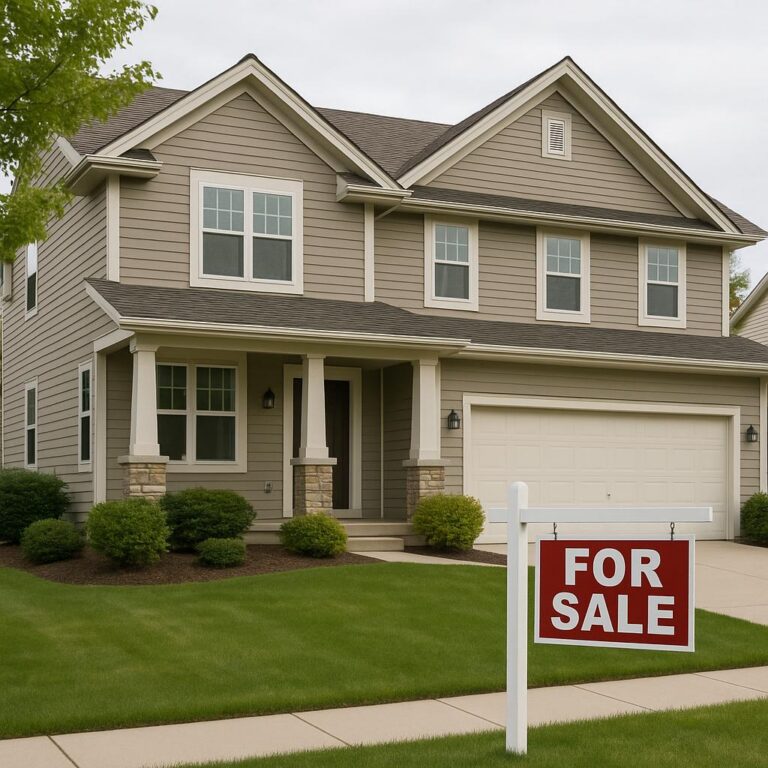
Benefits of Staging Before Listing in Grand Rapids
When you decide to list your home in Grand Rapids, you might notice your property lingering on the market longer than expected or attracting less attention than similar homes nearby. In a shifting market, even a great property can underperform if it doesn’t stand out visually and functionally. This is where the decision to stage your home becomes critical for maximizing your sale results.
As a seller, you’re looking for straightforward ways to improve your listing’s performance and avoid unnecessary price drops or extended days on market. Staging isn’t just about making things look pretty—it’s about ensuring your property responds well to current market conditions and stands out against competing listings in Grand Rapids.
Quick Answer
Staging your home before listing in Grand Rapids typically increases activity, shortens time on the market, and helps achieve stronger offers. By presenting a move-in-ready environment and highlighting the home’s best features, your listing is more likely to generate interest and positive feedback from the market.
If your listing isn’t seeing results or you’re unsure about next steps, staging is a proven strategy to reset momentum. If you’re dealing with this, I’m happy to walk through it with you.
1. Pricing: Supporting Your Asking Price
When a listing isn’t generating activity or feedback, sellers should evaluate whether the home’s presentation aligns with the asking price. Staging provides a cost-effective way to support your pricing strategy by visually justifying your home’s value. In my experience, staged homes are less likely to face immediate price reductions since the listing looks “move-in ready” and up-to-date.
Jason’s take: I’ve seen properties avoid multiple price drops just by investing in strategic staging and minor updates. If the market isn’t responding at your target price, consider staging before reducing.
2. Positioning: Standing Out in the Grand Rapids Market
Staging helps your property stand out in online listings and in-person showings. In Grand Rapids, inventory can fluctuate seasonally, so a staged home is more likely to become a “top pick” in search results and open house tours. Sellers who stage can reposition their listing to compete with newer or recently renovated homes without major renovations.
Jason’s take: I advise sellers to review competing listings in their neighborhood. If yours feels dated or cluttered in comparison, a professional staging plan is the fastest way to reposition your home’s image and regain attention.
3. Timing: Accelerating the Sale Process
Extended days on market can impact your final sale price and negotiating position. Staging helps reduce time on market by generating renewed interest and encouraging more showings soon after listing—or after a relaunch. Sellers benefit by moving closer to their ideal closing timeline and avoiding the risk of a stale listing.
If your home has already been listed and isn’t moving, a short period off-market for staging and updated photos can reset the listing clock. This proactive timing adjustment often leads to better market response upon relisting.
4. Negotiation: Improving Your Leverage
Sellers gain more leverage in negotiations when their home presents at its best. A staged property appears well-maintained and move-in-ready, which limits the market’s ability to use cosmetic flaws as negotiating points. In Grand Rapids, I’ve seen staged homes receive cleaner offers with fewer contingencies because the home’s condition matches (or exceeds) market expectations.
Instead of reacting to inspection requests or credits for visual issues, staging allows you to address them upfront and maintain a stronger negotiating position.
Real Seller Case Study
One Grand Rapids seller I worked with had a home listed for 45 days with minimal activity and no offers. The photos didn’t showcase the space, and the rooms felt crowded and dated. We took the home off the market for one week, brought in a stager, and updated the listing photos. After relisting, activity increased immediately and the home received a full-price offer within 10 days. The seller avoided a $15,000 price drop and closed within their original timeline.
Grand Rapids Market Insight
This spring, I’ve noticed more Grand Rapids sellers choosing to stage their homes before listing—especially in neighborhoods with high competition. Listings that incorporate staging and professional photography are consistently outperforming comparable homes that skip this step, both in speed of sale and final price achieved.
Frequently Asked Questions About Selling in Grand Rapids
- Is staging always necessary before listing in Grand Rapids?
No, but it often helps underperforming listings or homes competing in crowded price points. - How much should I budget for staging my home?
Staging costs vary, but local sellers usually invest between $1,500 and $3,500 depending on scope. - Can I stage my home myself, or should I hire a professional?
DIY staging can help, but professional staging is more effective for maximizing listing performance. - What if my home is already vacant?
Vacant homes benefit the most from staging, as it defines spaces and improves online presentation.
Related Resources
- How to Prepare Your Home for Sale in Grand Rapids
- Find Out What Your Grand Rapids Home Is Worth
- Grand Rapids Seller Success Stories
For more data on staging and sale outcomes, review the NAR Home Staging Report.
[KEEP YOUR EXISTING FOOTER BLOCK HERE — DO NOT MODIFY]