Downtown Grand Rapids Apartments Near Full Capacity—What That Means for Buyers and Sellers
If you’ve spent any time in downtown Grand Rapids, Michigan lately, you’ve probably felt it—there’s more energy, more activity, and a noticeable increase in demand for urban living.
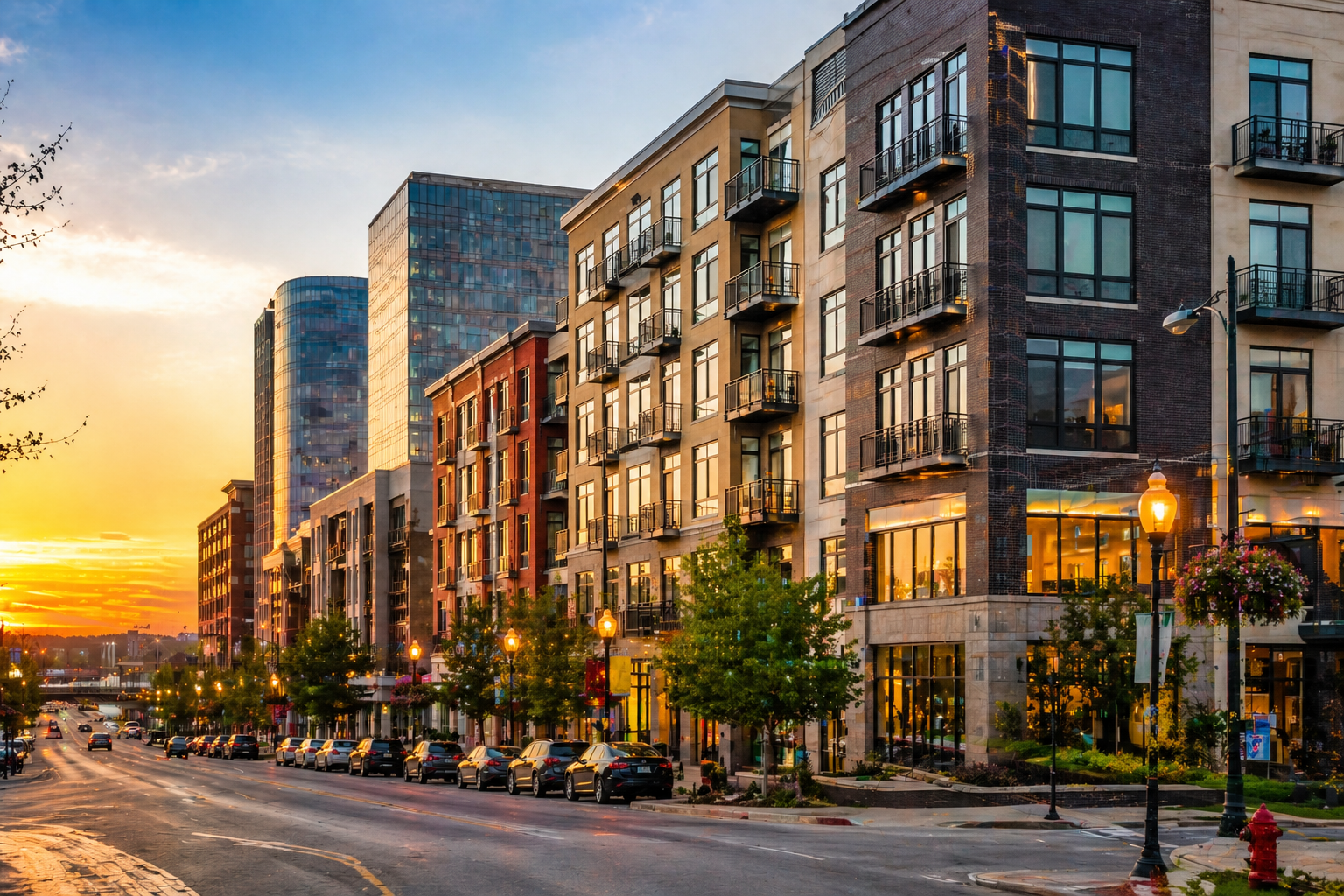
Now, the data is catching up with what many of us are seeing on the ground. According to recent local reporting and housing data, high-density apartment buildings in downtown Grand Rapids are nearing full capacity, with occupancy rates climbing into the mid-to-upper 90% range.
In real estate terms, that’s about as tight as it gets.
Why Downtown Demand Is So Strong
From my experience working with buyers and sellers throughout West Michigan, this trend isn’t surprising. Over the past few years, we’ve seen a steady shift toward walkable, lifestyle-focused living.
Downtown Grand Rapids offers exactly that—proximity to restaurants, entertainment, healthcare, and major employers, all within a compact, accessible area.
For many renters, especially young professionals and those relocating to the Grand Rapids real estate market, that convenience is a major draw.
What High Apartment Demand Means in Grand Rapids
When apartment occupancy reaches these levels, it typically signals one key factor: demand is outpacing supply.
And in a market like Grand Rapids, Michigan, that tends to create a ripple effect.
Some renters begin exploring homeownership simply because options are limited or pricing becomes less favorable. Others start looking just outside the downtown core—areas like Midtown, Heritage Hill, or nearby suburbs—where there may be more availability and value.
This shift can increase demand in surrounding neighborhoods, something we’ve seen play out in past market cycles.
What This Means for Buyers
If you’re currently renting or thinking about making a move, this kind of environment can create more urgency. Limited rental inventory often pushes more people into the purchase market, which can increase competition—especially for well-located homes.
For those navigating home buying questions in Grand Rapids, understanding these trends can help you better time your move and evaluate your options.
What This Means for Sellers
For homeowners, especially those in and around downtown, strong rental demand is typically a positive signal. It reflects continued interest in the area and can support long-term property values.
Buyers today are often motivated by lifestyle as much as price, which creates opportunities for well-positioned listings. If you’re thinking about selling a home in Grand Rapids, this kind of demand can work in your favor.
Local Perspective
One thing I always tell clients—statistics are helpful, but they only tell part of the story. What really matters is how these trends show up in real-time decisions.
Right now, we’re seeing a market where people are choosing Grand Rapids not just as a place to live, but as a place to stay. That kind of consistency is a strong indicator of long-term stability.
As Grand Rapids continues to grow, understanding these trends can help you make more informed real estate decisions—whether you’re planning now or simply keeping an eye on the market.
Jason Pohlonski is a licensed real estate professional serving Grand Rapids and surrounding West Michigan communities.
View all West Michigan market reports →
About the Author
Jason Pohlonski is a Michigan Licensed Real Estate Salesperson with
Keller Williams Grand Rapids East,
specializing in East Grand Rapids, Forest Hills, Jenison, and the greater Grand Rapids market.
📱 Call or text: 616-916-9770
📅 Schedule a consultation:
https://calendly.com/pohlonskirealestate/30min
License verification:
View Michigan License