Common Appraisal Issues for Grand Rapids Home Buyers
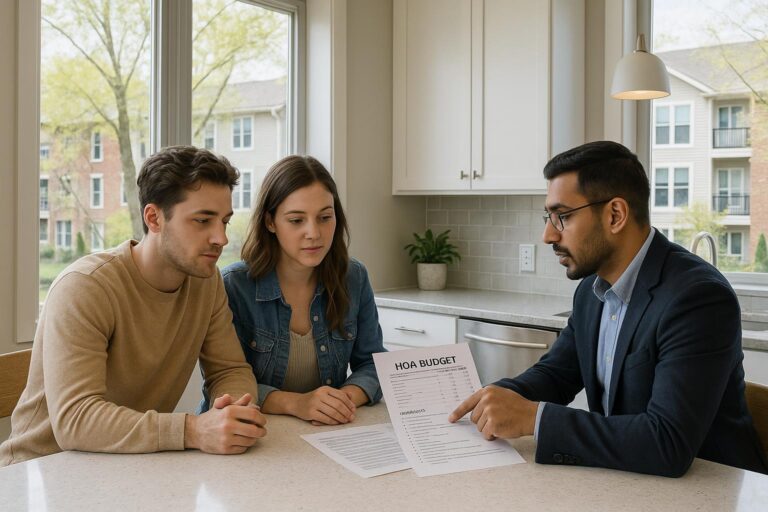
If you’re buying a home in Grand Rapids, appraisal issues can directly impact your deal—even if you’ve negotiated a great price. The most common appraisal hurdles I see here involve condition problems, challenging comparable sales (comps), and rapid market shifts that affect value opinions. Buyers need a clear strategy to navigate these challenges and keep their purchase on track.
Quick Answer
Appraisal issues in Grand Rapids most often stem from three sources: homes that need repairs, lack of recent comparable sales, and price jumps in hot neighborhoods. These factors can lead to an appraisal coming in lower than your agreed purchase price or with repair requirements before closing.
To protect yourself, review recent sales data with your agent, consider the home’s condition honestly, and have a backup plan if the appraisal comes in low. If you’re dealing with this situation, I’m happy to walk through it with you.
Understand Local Comparable Sales—And Their Limits
In Grand Rapids, the appraisal process relies heavily on finding comparable sales, or “comps,” within a close distance and timeframe to your target property. The challenge is that some neighborhoods see few recent sales—especially in established areas like Alger Heights or Heritage Hill, where homes rarely hit the market. When comps are outdated or not truly similar, appraisers have to make adjustments, which can lead to more conservative value estimates.
Jason’s take: “In competitive areas like Eastown, I’ve seen buyers lose deals because the only comps are from last winter, and prices have moved quickly since then. Always review comps with your agent and look for any gaps or oddball sales that could throw off an appraisal.”
Condition Issues: The Most Common Appraisal Roadblock
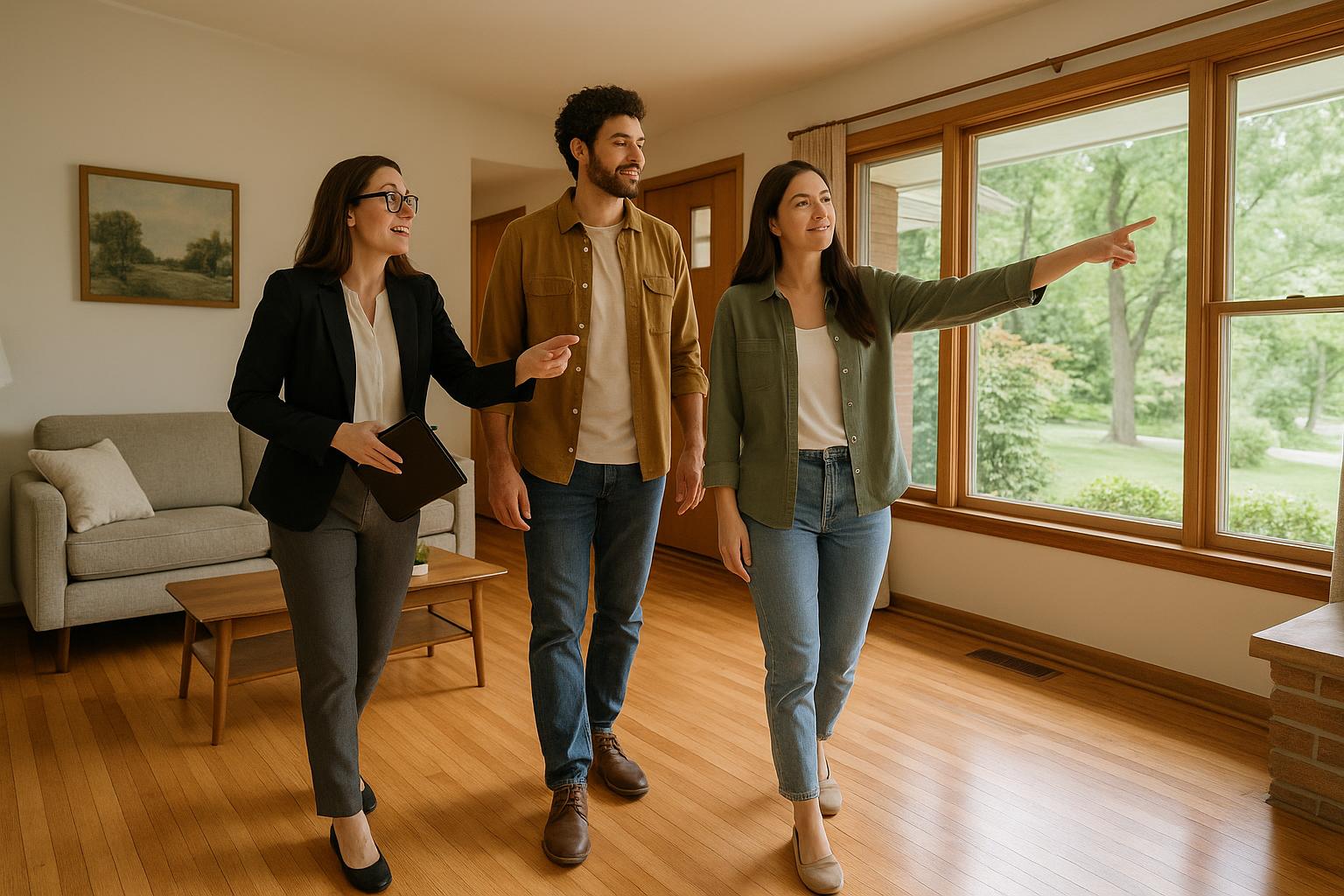
Many Grand Rapids homes—especially in the $200,000–$350,000 range—are older and may not meet lender or appraiser expectations for safety and habitability. Common issues include peeling paint (especially on pre-1978 homes due to lead paint laws), outdated electrical panels, missing handrails, or evidence of past water damage. If the appraiser spots these, they may require repairs before the loan can close.
A practical rule of thumb: if you spot a maintenance issue on your tour, expect the appraiser to notice it too. VA and FHA loans have even stricter standards, so buyers using these loan types need to be extra vigilant. I always encourage my clients to address obvious issues early—or be prepared to negotiate repairs with the seller if the appraisal flags them.
Managing Appraisal Gaps in Hot Neighborhoods
Grand Rapids neighborhoods like East Grand Rapids, Forest Hills, and parts of Ada have seen rapid price appreciation. In multiple-offer situations, buyers often agree to pay over list price—sometimes well above recent sales. When this happens, there’s a real risk that the appraised value will fall short, creating an “appraisal gap.”
Jason’s take: “In the $400,000–$600,000 range, I’m seeing buyers proactively include appraisal gap guarantees in their offers. That means they’ll cover a shortfall up to a set amount if the appraisal comes in low. This can make your offer more competitive, but you need to be comfortable with the extra out-of-pocket risk.”
How Market Trends and Data Influence Appraisals
Appraisers in Grand Rapids follow market data from sources like the Greater Regional Alliance of Realtors (GRAR) to stay updated on price trends, inventory, and demand. If the market has shifted quickly—like during the spring 2024 surge—appraisers sometimes lag behind current values, especially if closed sales haven’t caught up to pending or active prices. This can be frustrating for buyers who feel they’re paying market price, only for the appraisal to disagree.
The best decision-making framework: always review the most recent sales with your agent, and consider both pending and closed transactions. If you’re offering significantly above the last closed sale, discuss your comfort level with a possible appraisal gap and plan your financing accordingly.
Real Buyer Case Study
Earlier this year, I worked with a relocating family targeting the $375,000–$425,000 range in the Forest Hills school district. The home they wanted had three offers, and my clients won with a strong price and an appraisal gap clause. The appraisal came in $12,000 below their offer, but because we had planned for this possibility, they were able to bring the difference to closing without losing the house. The seller addressed a few minor repairs flagged by the appraiser, and the deal closed smoothly. This kind of preparation is often what makes or breaks a deal in today’s Grand Rapids market.
Grand Rapids Buyer Market Insight
Right now, I’m seeing buyers in the $250,000–$350,000 range get more aggressive with appraisal gap coverage, especially in neighborhoods near top-rated schools. In multiple-offer situations, some buyers are waiving minor repair requests if it helps win the house, but they’re still factoring in the risk of appraisal-related surprises. The willingness to take on some appraisal risk often depends on the neighborhood and how fast prices are rising.
Frequently Asked Questions About Buying in Grand Rapids
- What happens if my Grand Rapids appraisal comes in low?
You can negotiate with the seller, bring extra cash to cover the gap, or walk away if your contract allows. Your agent can help weigh the best option. - Are there specific repairs that Grand Rapids appraisers always flag?
Common issues include peeling paint, missing handrails, and outdated electrical—especially in homes built before 1980. - Can I contest an appraisal in Grand Rapids?
Yes, but it’s rare to see a big adjustment. Your agent can submit additional comps or point out errors, but most appeals result in minor changes at best. - How do appraisals work for new construction in Grand Rapids?
Appraisers will use recent sales of similar new builds nearby, but if there aren’t any, they may have to use older or less direct comps, which can affect the value.
Related Grand Rapids Buyer Resources
- How Older Home Inspections Affect East GR Buyer Demand
- How to Avoid Common Pitfalls When Selling in Grand Rapids
- Forest Hills School District: Maximize Home Value With Smart Renovations
About the Author
Jason Pohlonski
is a Michigan licensed real estate salesperson specializing in strategic home sales in East Grand Rapids, Forest Hills, Ada, and surrounding West Michigan communities.
Jason began his real estate career in Chicago in 2004, later expanding his experience in Ann Arbor from 2014 to 2019, and has been serving clients in the Grand Rapids area since 2019.
With over 20 years of combined real estate experience across multiple markets, Jason focuses on pricing strategy, negotiation structure, and helping clients make confident decisions during complex transactions.
Jason is recognized by platforms and industry organizations including Zillow, Grand Rapids Magazine Real Estate All-Stars, and Real Producers for his work serving West Michigan buyers and sellers.
Professional Disclosure
Jason Pohlonski
Michigan Licensed Real Estate Salesperson
License Verification: Verify Michigan License #360538118
Brokerage: Keller Williams Grand Rapids East
📱 Call or text: 616-916-9770
📅 Want a quick second opinion before you make a move?
Schedule a quick 30-minute call
This article reflects real client experiences and market conditions in Grand Rapids and surrounding communities at the time of publication.
Real estate outcomes can vary depending on market conditions, property characteristics, and buyer demand.